Designing VR Safety: Industry Protocols.
Role: Researcher, Designer, Author, Educator
After observing the spread of harassment and toxic behavior in social VR spaces, I set out (often with collaborator Andrea Zeller) to build industry awareness and set early standards for building safer social VR spaces. This work existed across five contexts:
PUBLICATIONS: A series of white papers, case studies and book chapters unpacking methods for applying proxemics, body sovereignty and consent ideology as a means to design and build safer and more accessible virtual spaces. Published via: IEEE (2021), Design@Meta (2021), Bloomsbury (2020), Meta Research (2020), The Next Web (2020), MIT Immerse (2019); and cited in various papers from 2023-2026.
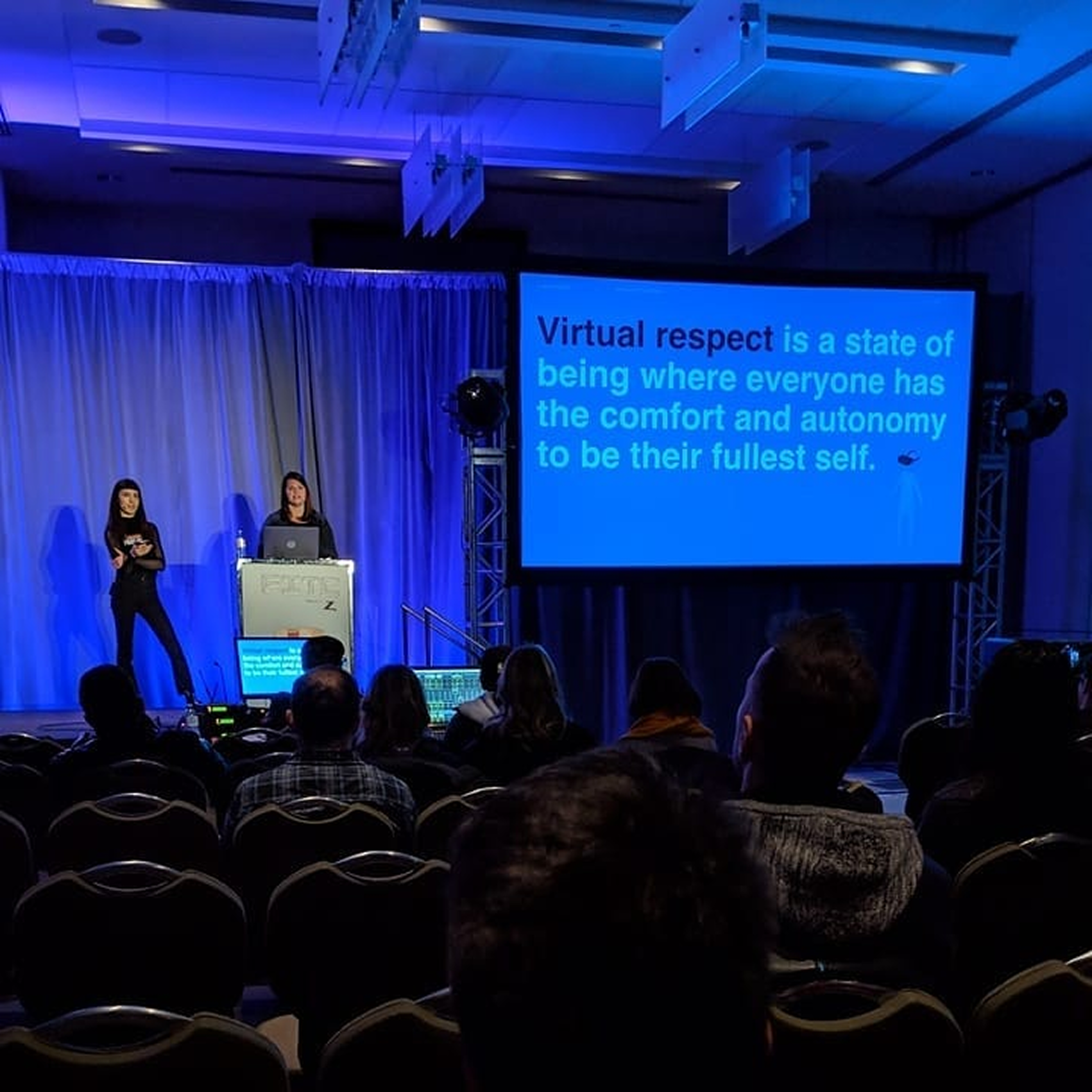
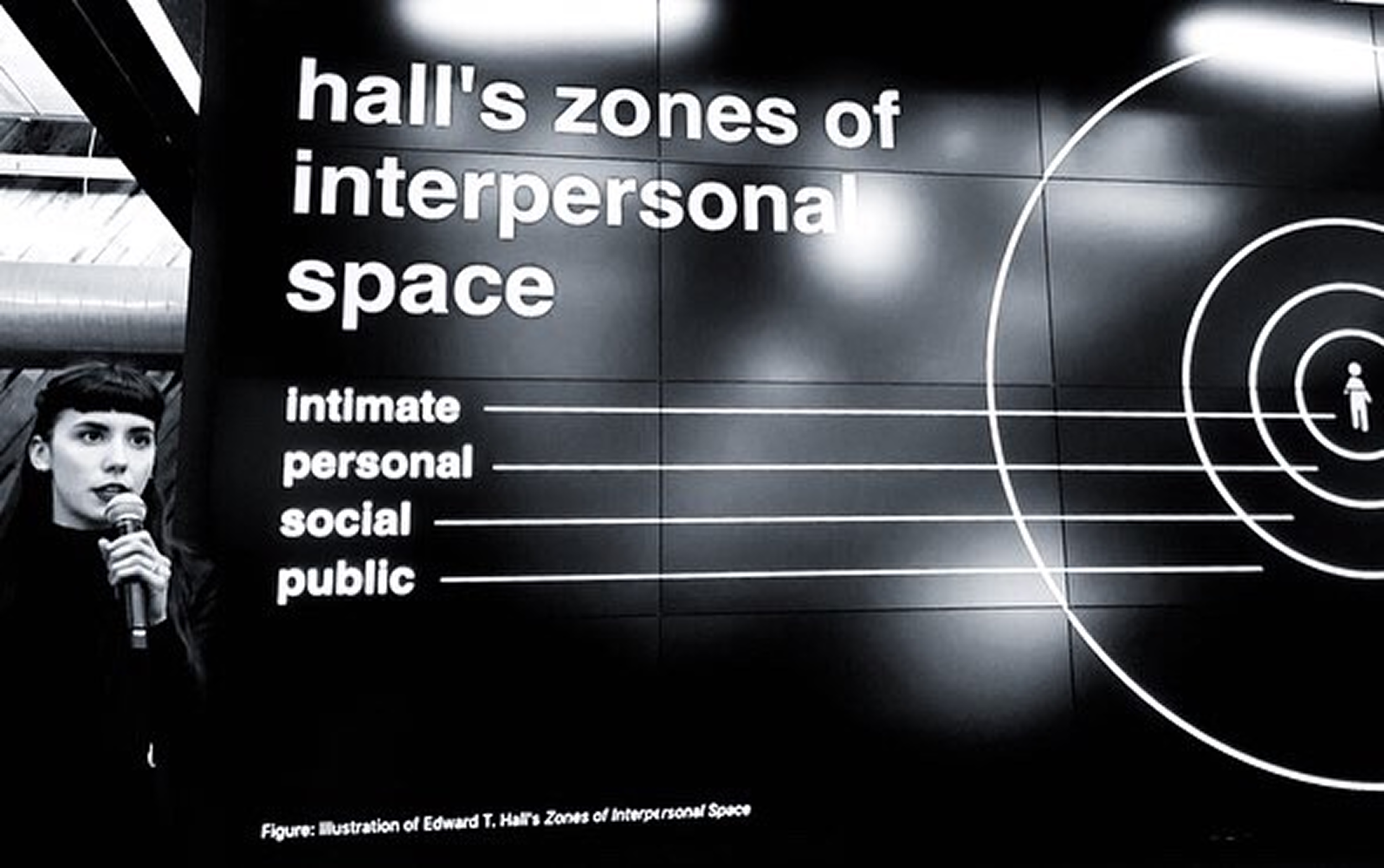
TALKS: A tour of conference presentations advising designers on how to apply proxemics to building safer virtual spaces. Presented at: FITC Amsterdam and Toronto (2019), Thinking Digital (2019), MIT Media Lab (2019), Firstmark NYC (2019), IxDC Beijing (2020) and many more.
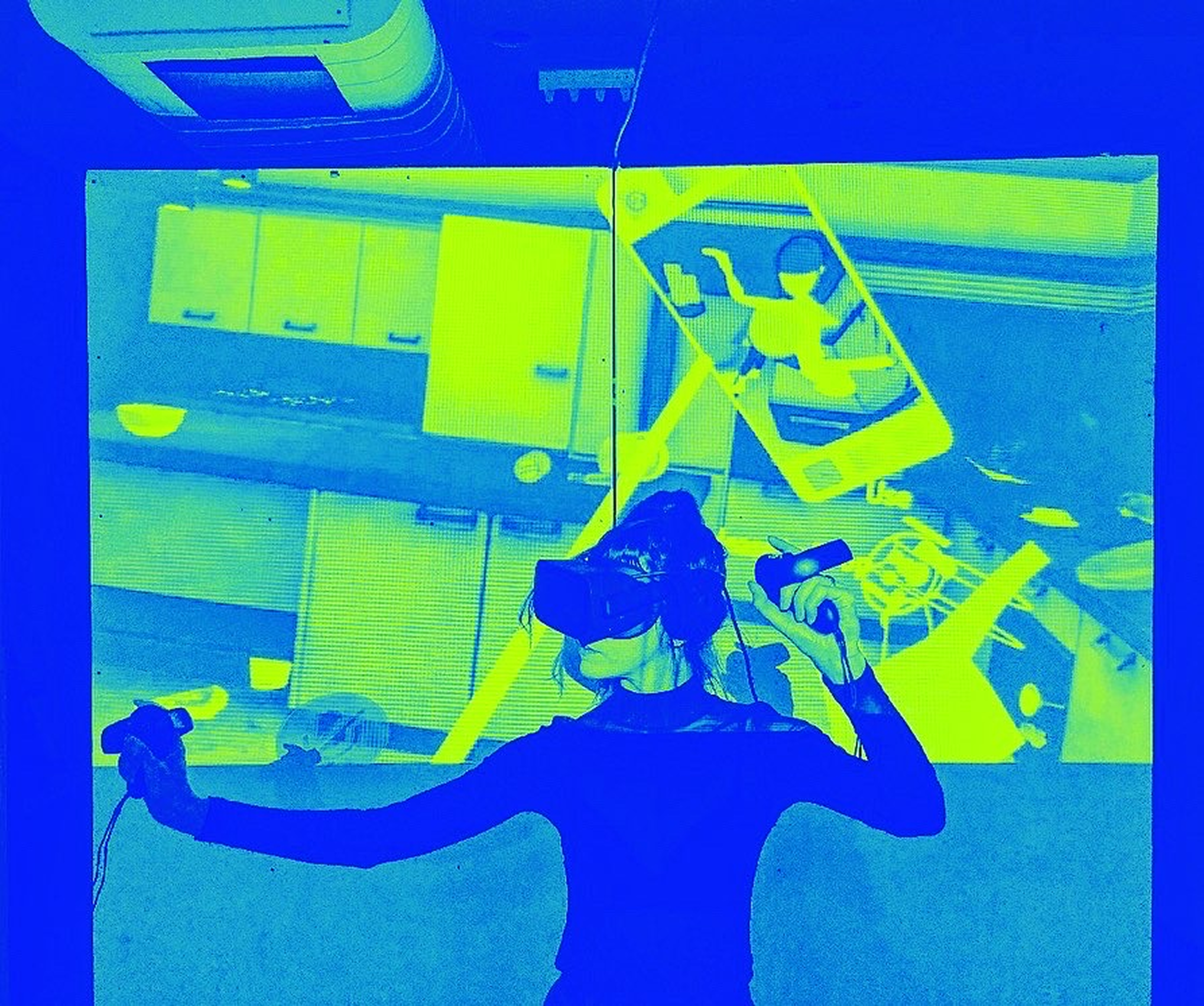
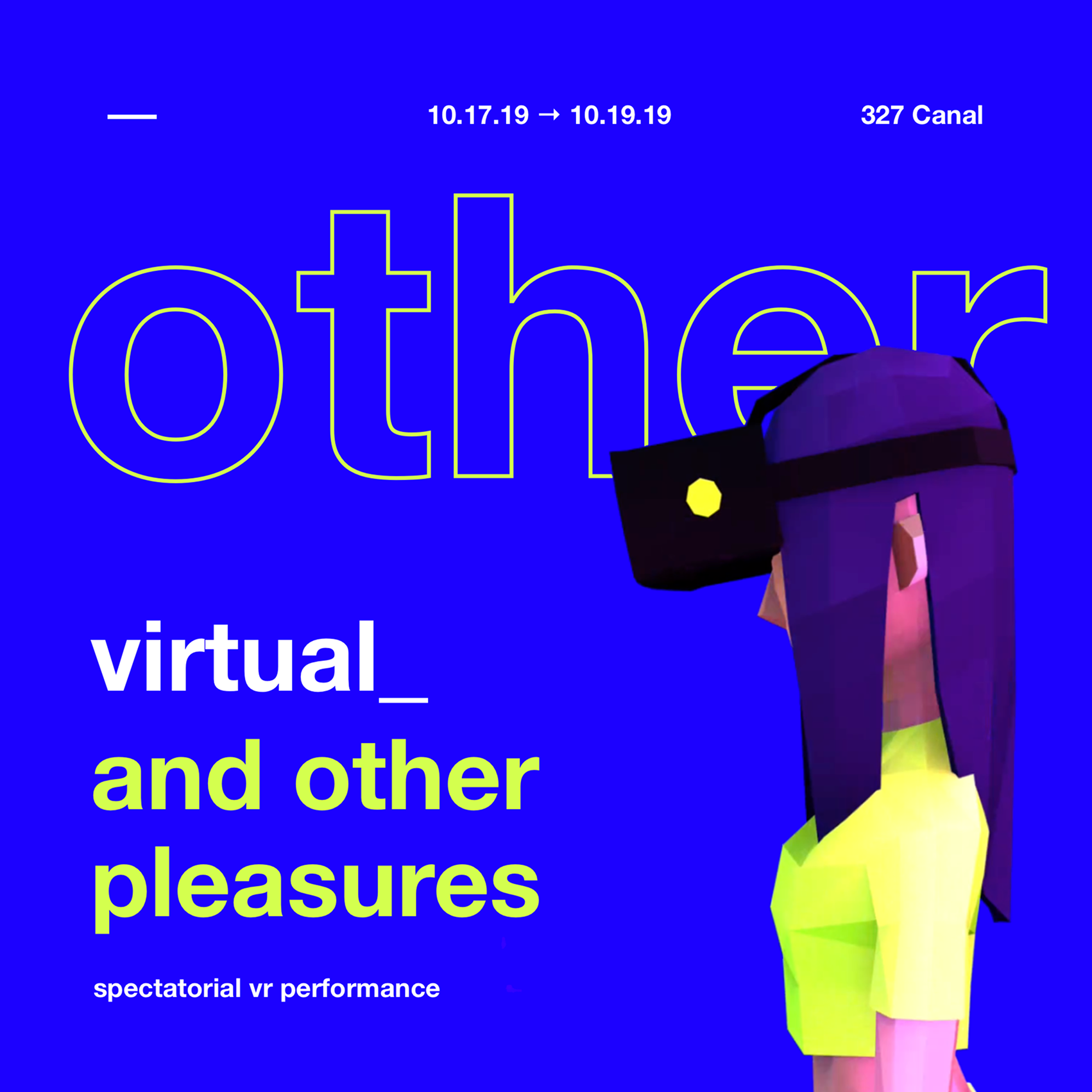
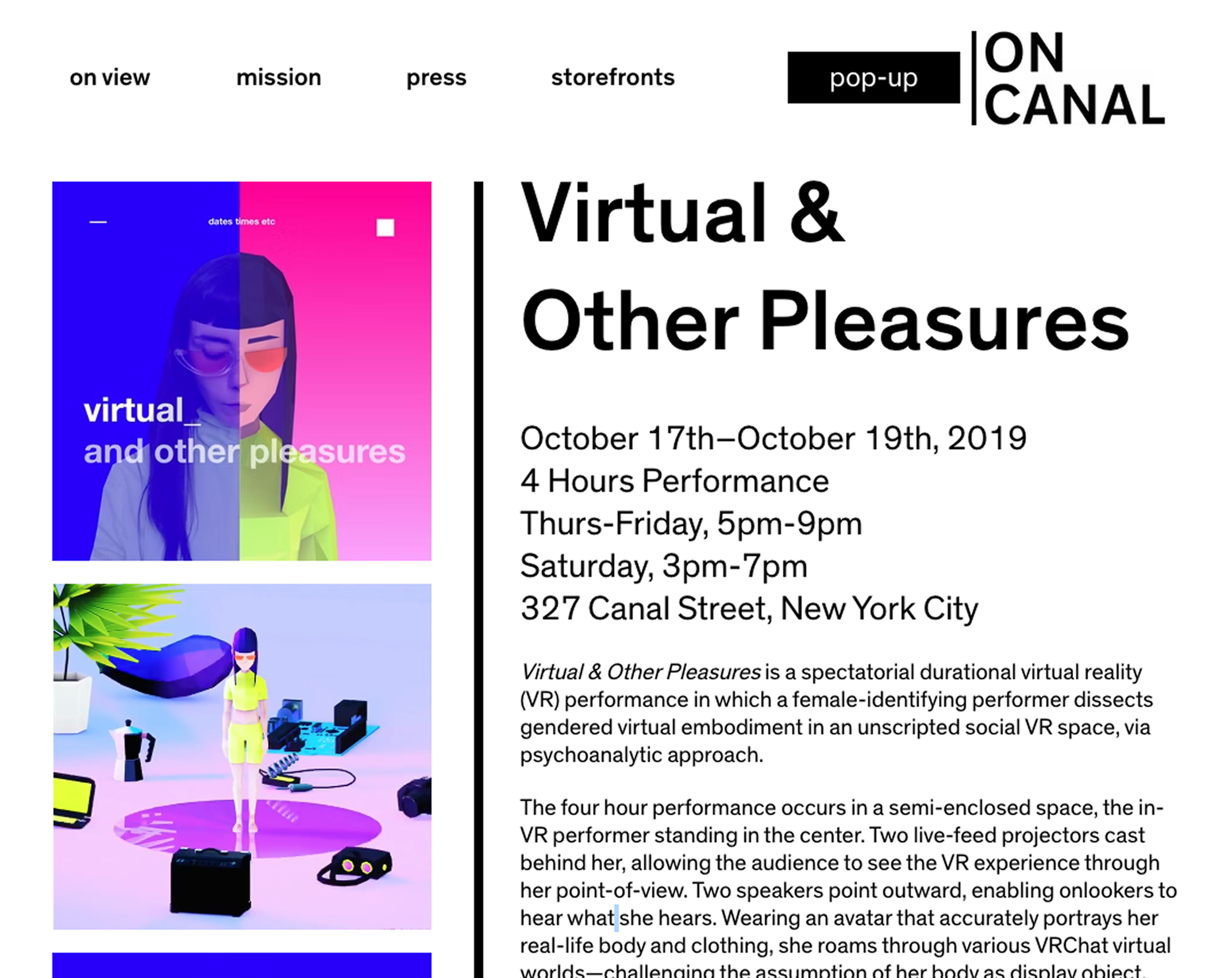
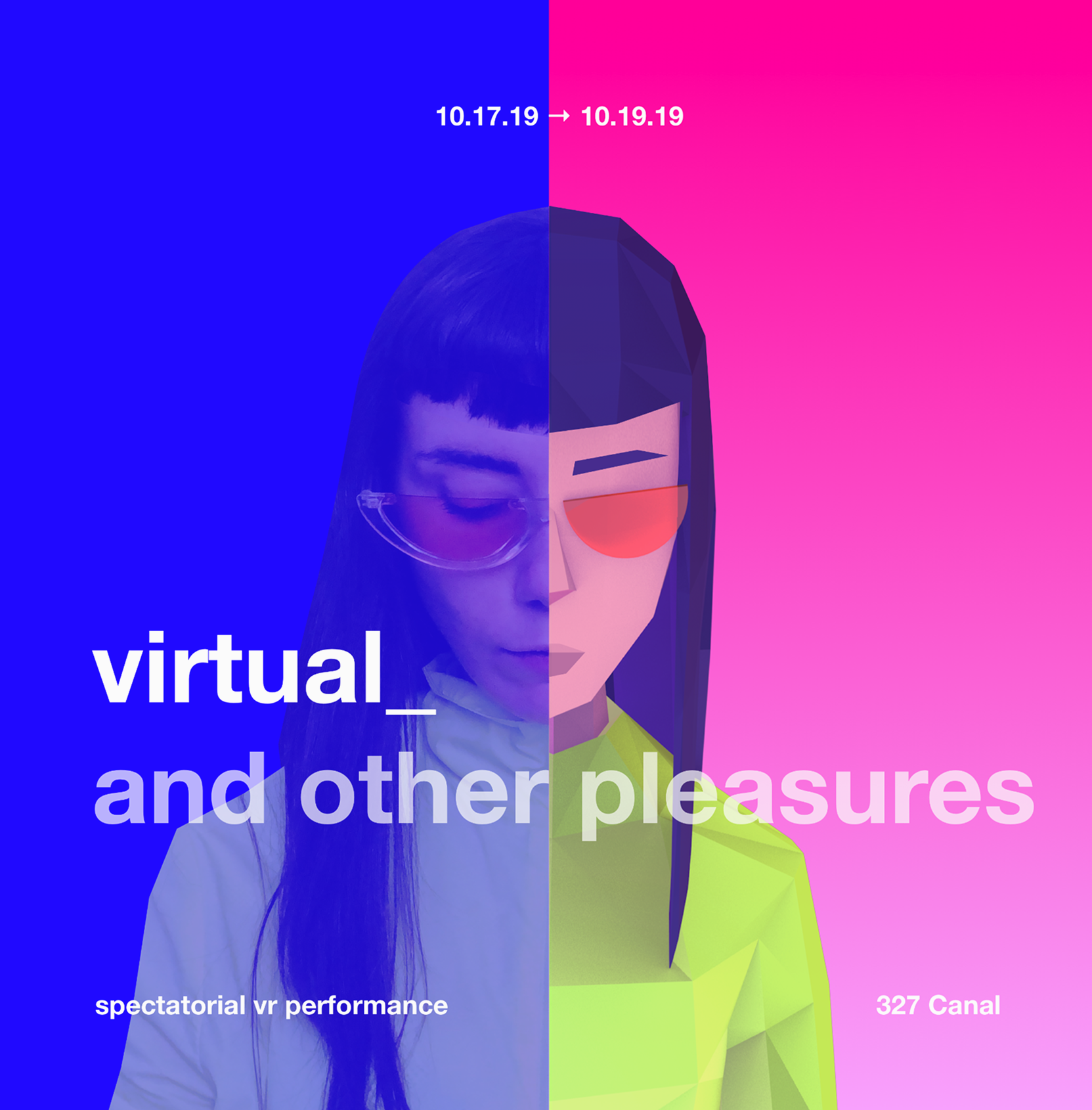
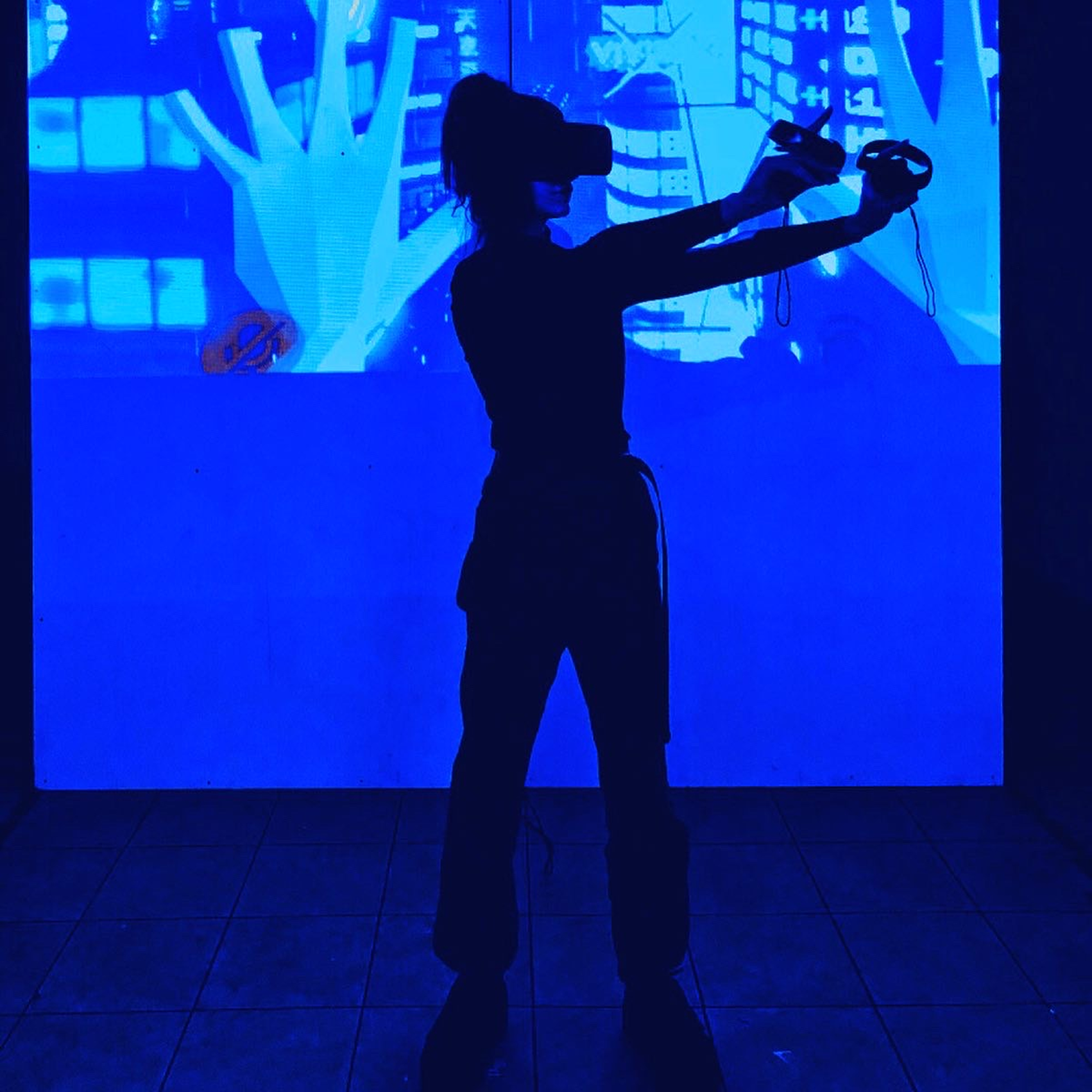
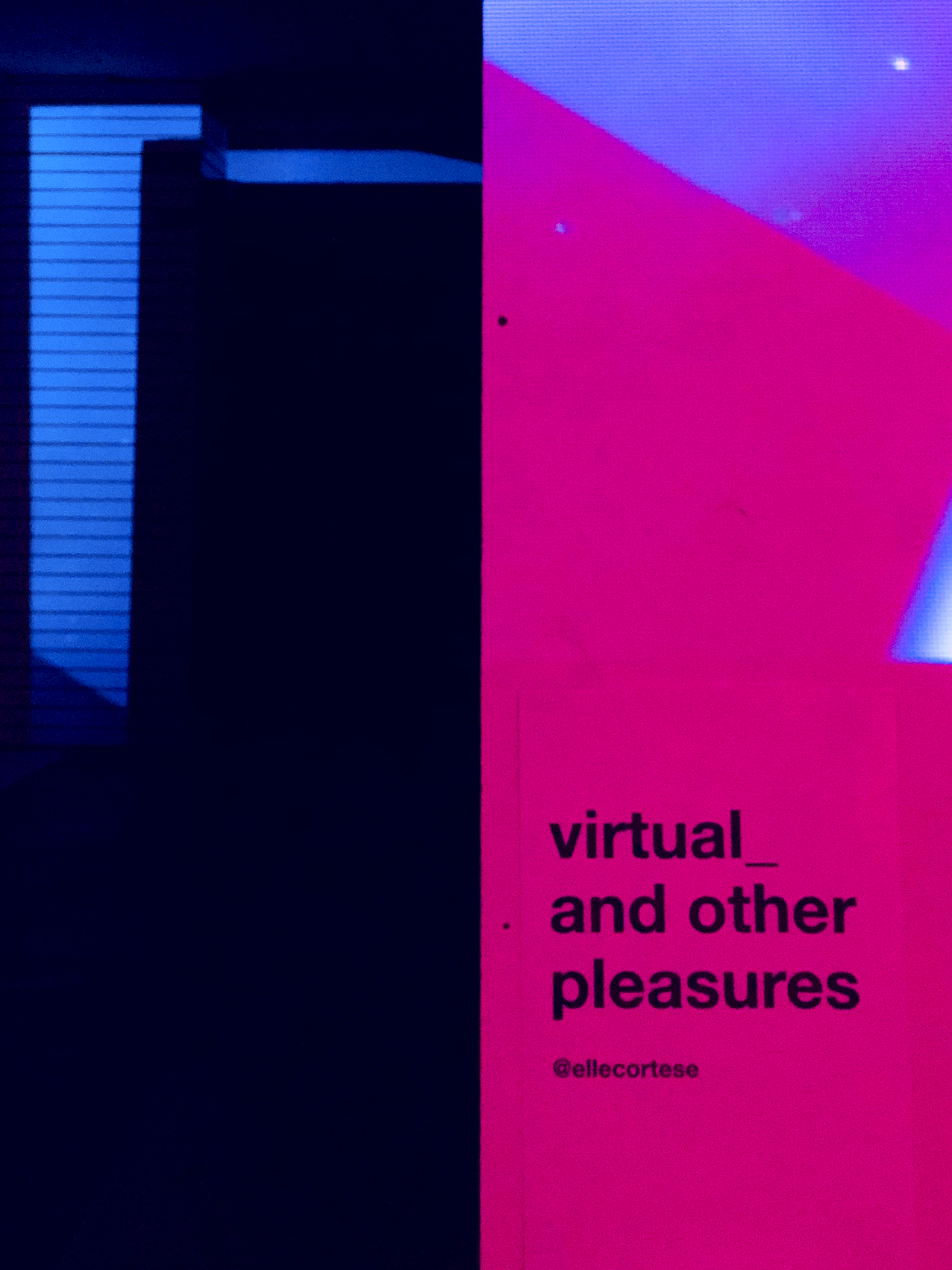
EXHIBITS: Virtual & Other Pleasures (2019): a spectatorial durational VR performance presented by OnCanal and Wallplay, aiming to expose audiences to VR harassment and gender dynamics via live improvisational interviews in VRChat.
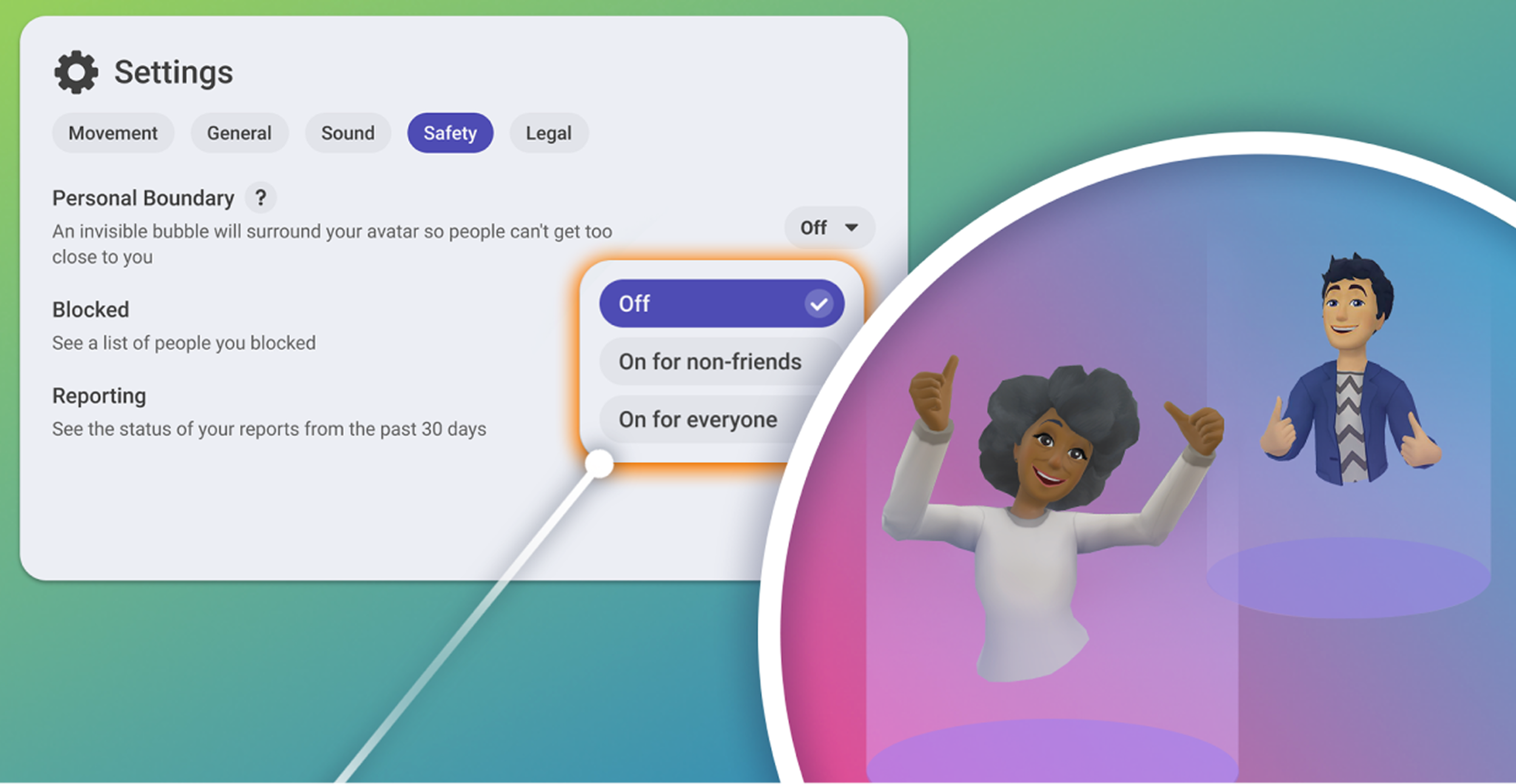
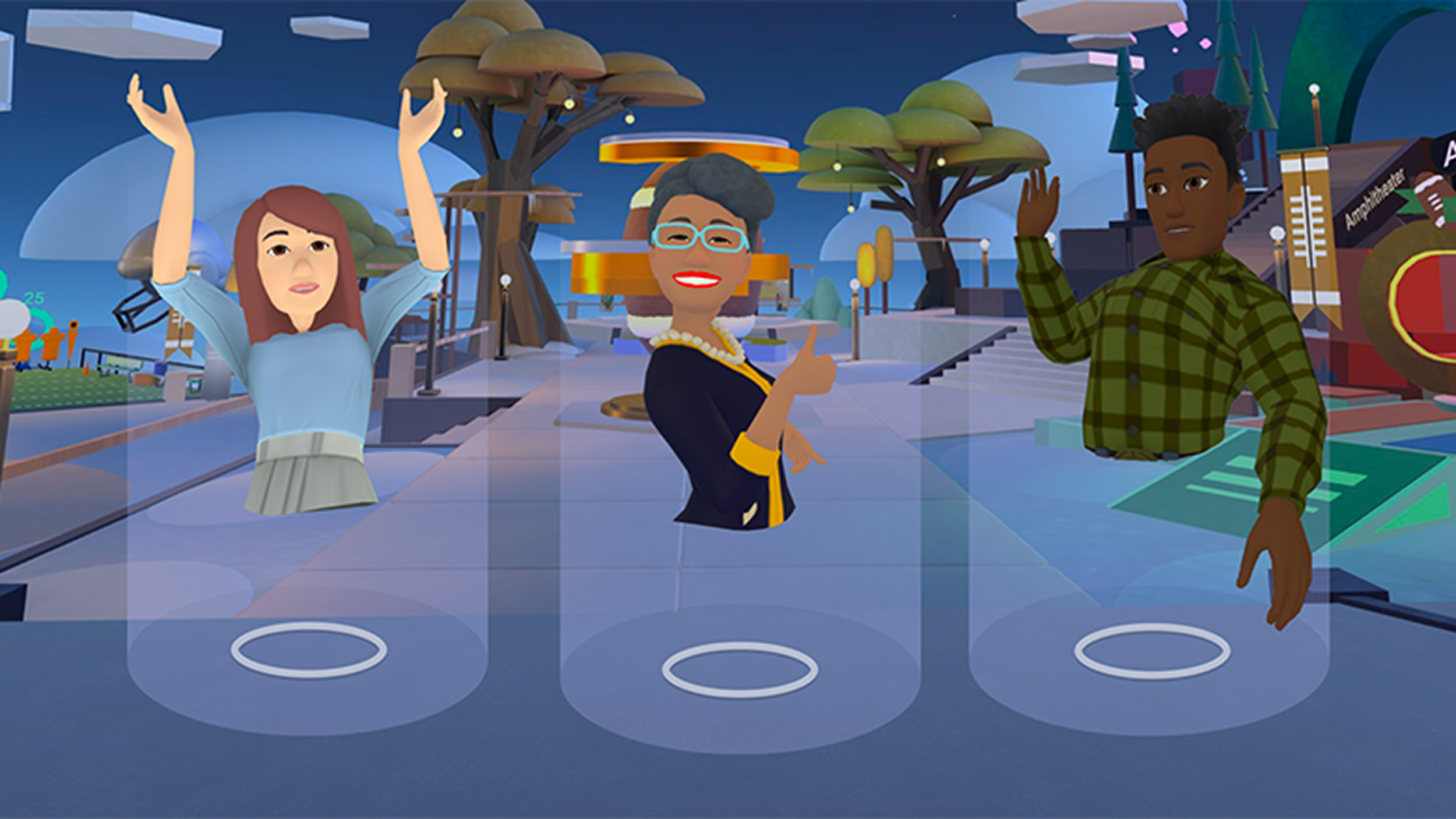
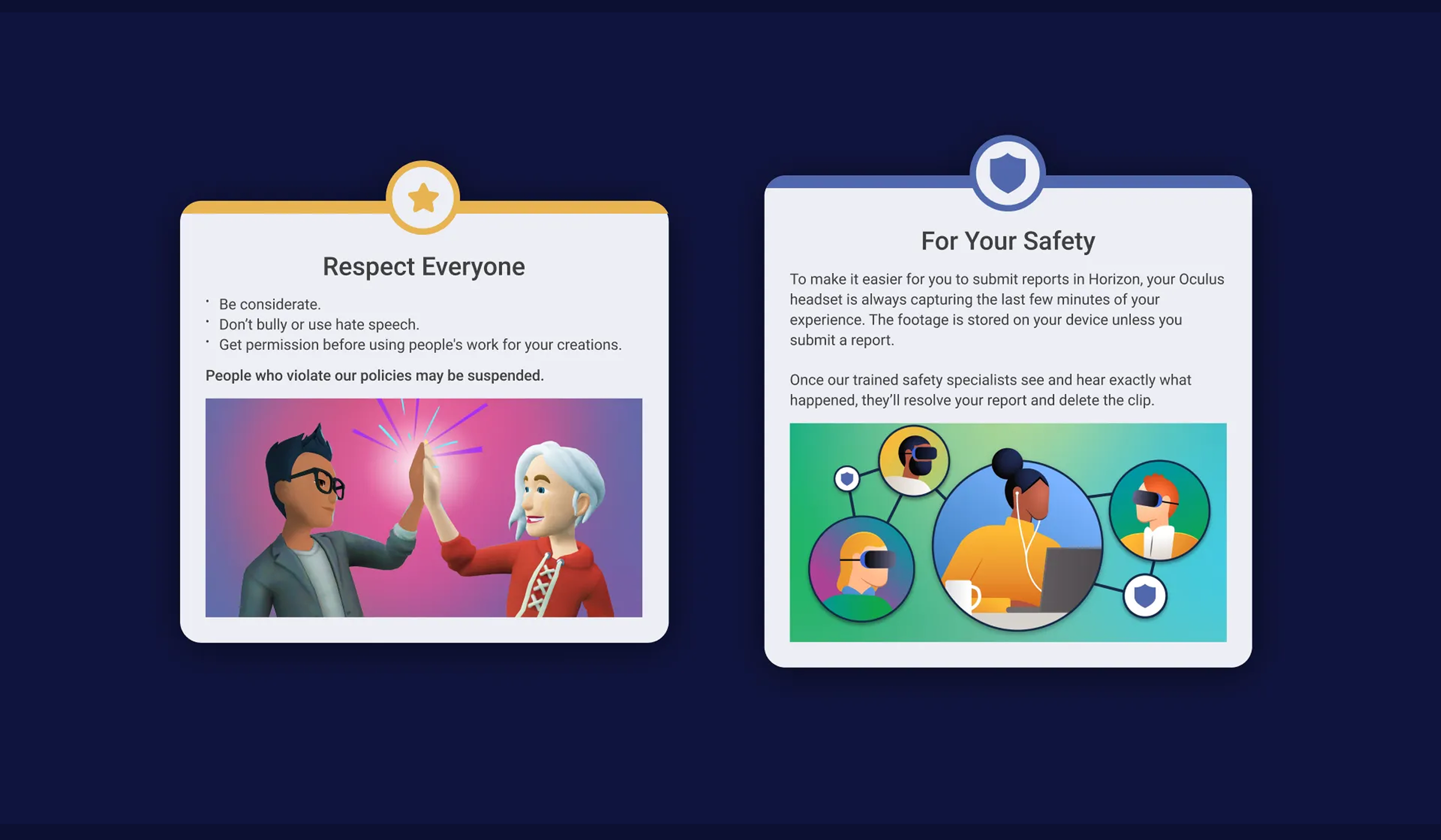
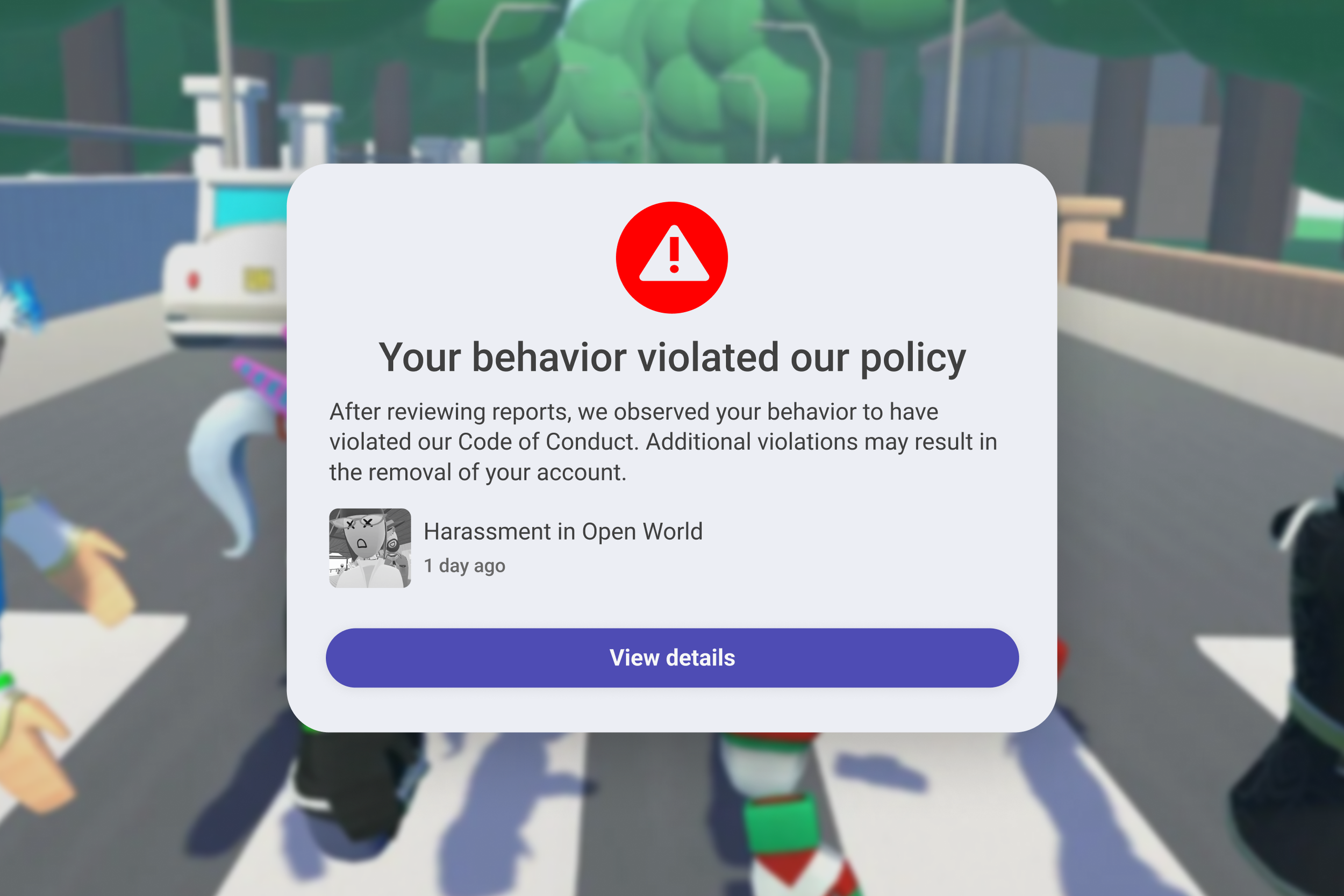
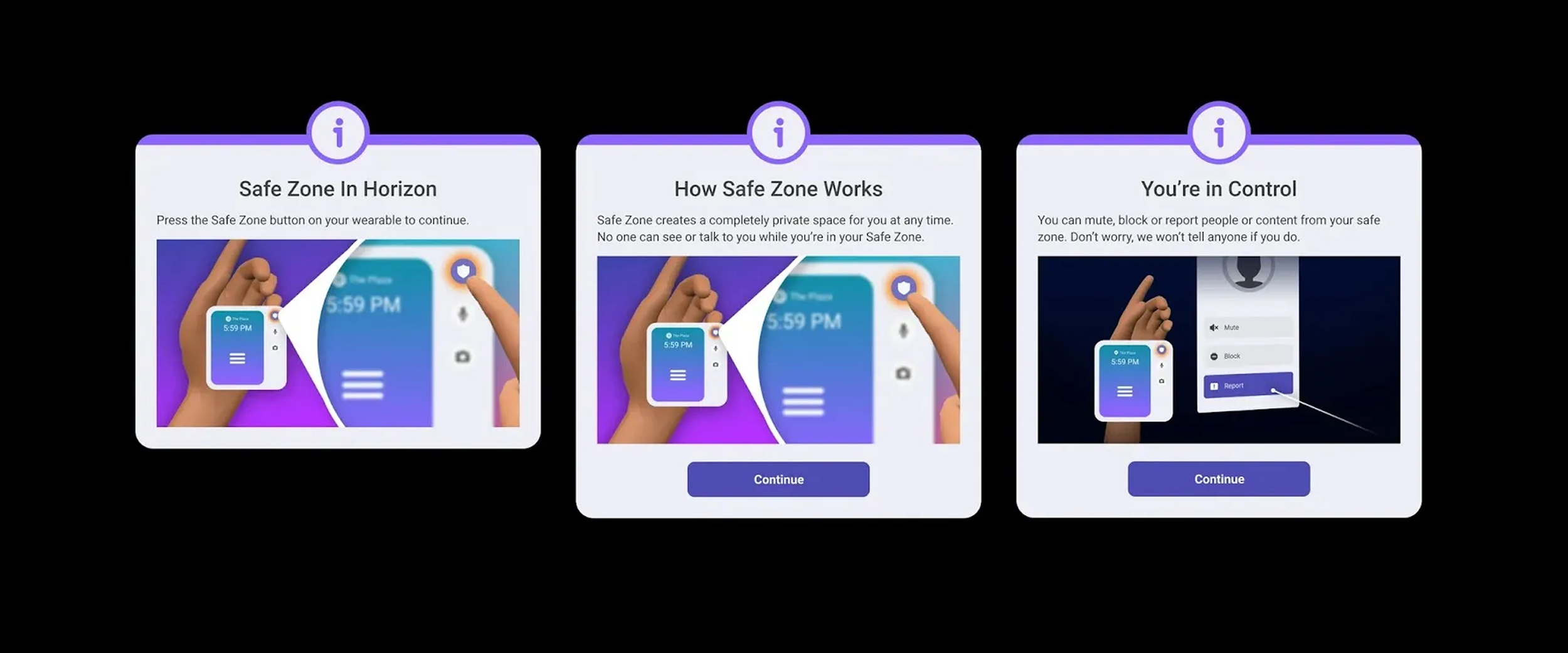
INDUSTRY STANDARDS: This body of work set early social VR safety paradigms by shipping industry-defining Horizon Worlds safety features like the personal boundary, safe zone and code of conduct.
EDUCATION PROGRAMS: A graduate class for NYU and an internal training program for Meta employees, both designed to teach the hard skills and ethical considerations of VR design.

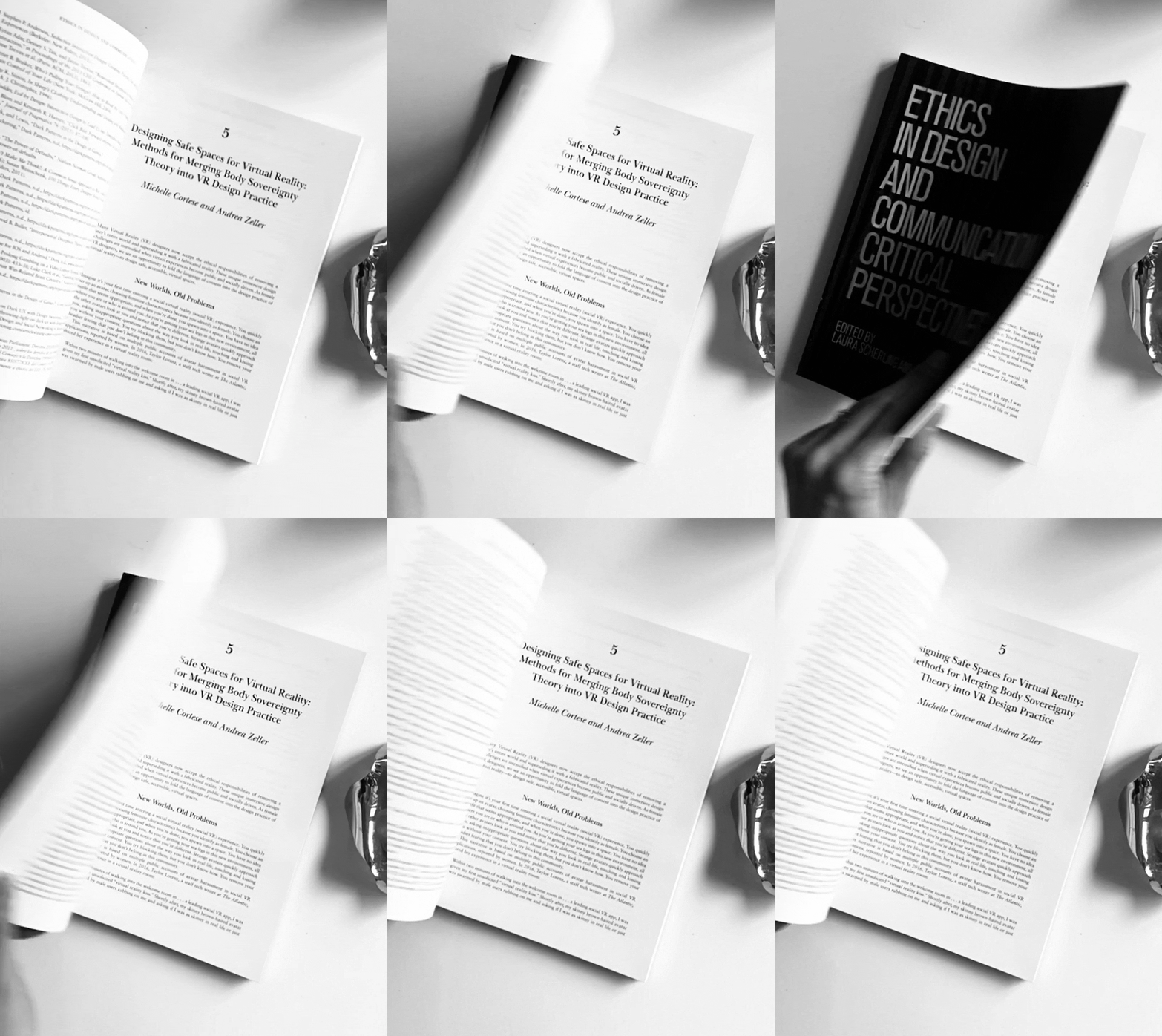
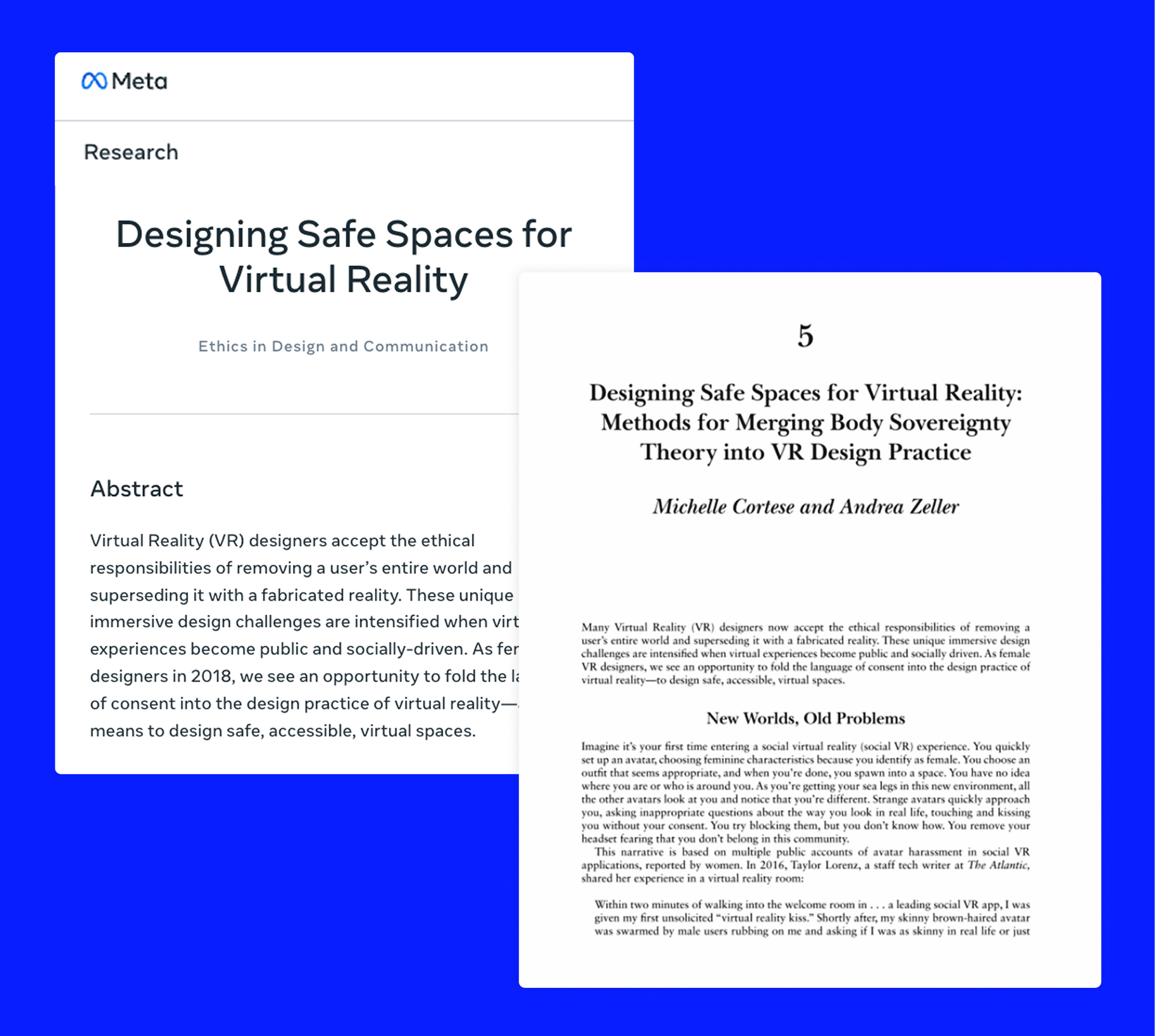
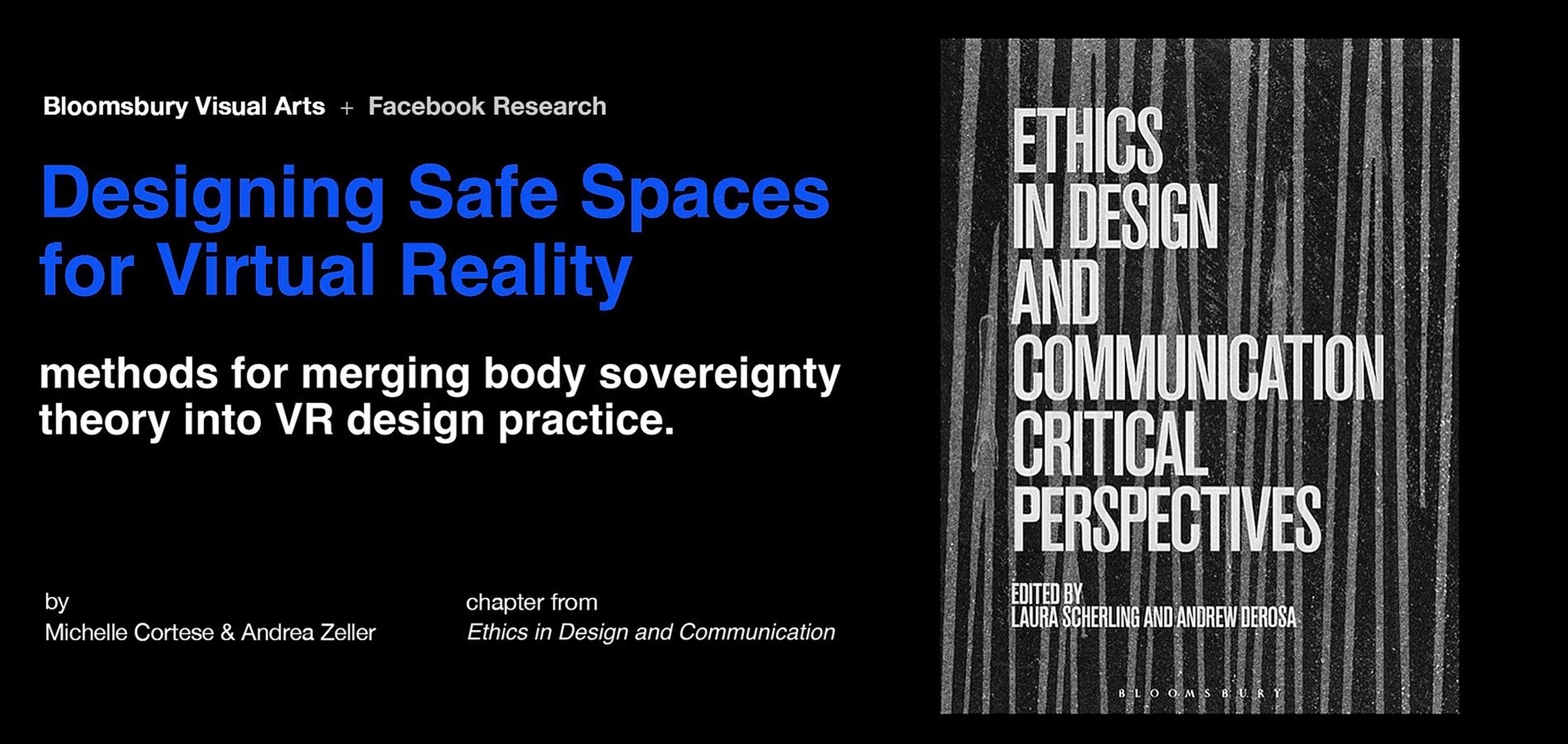
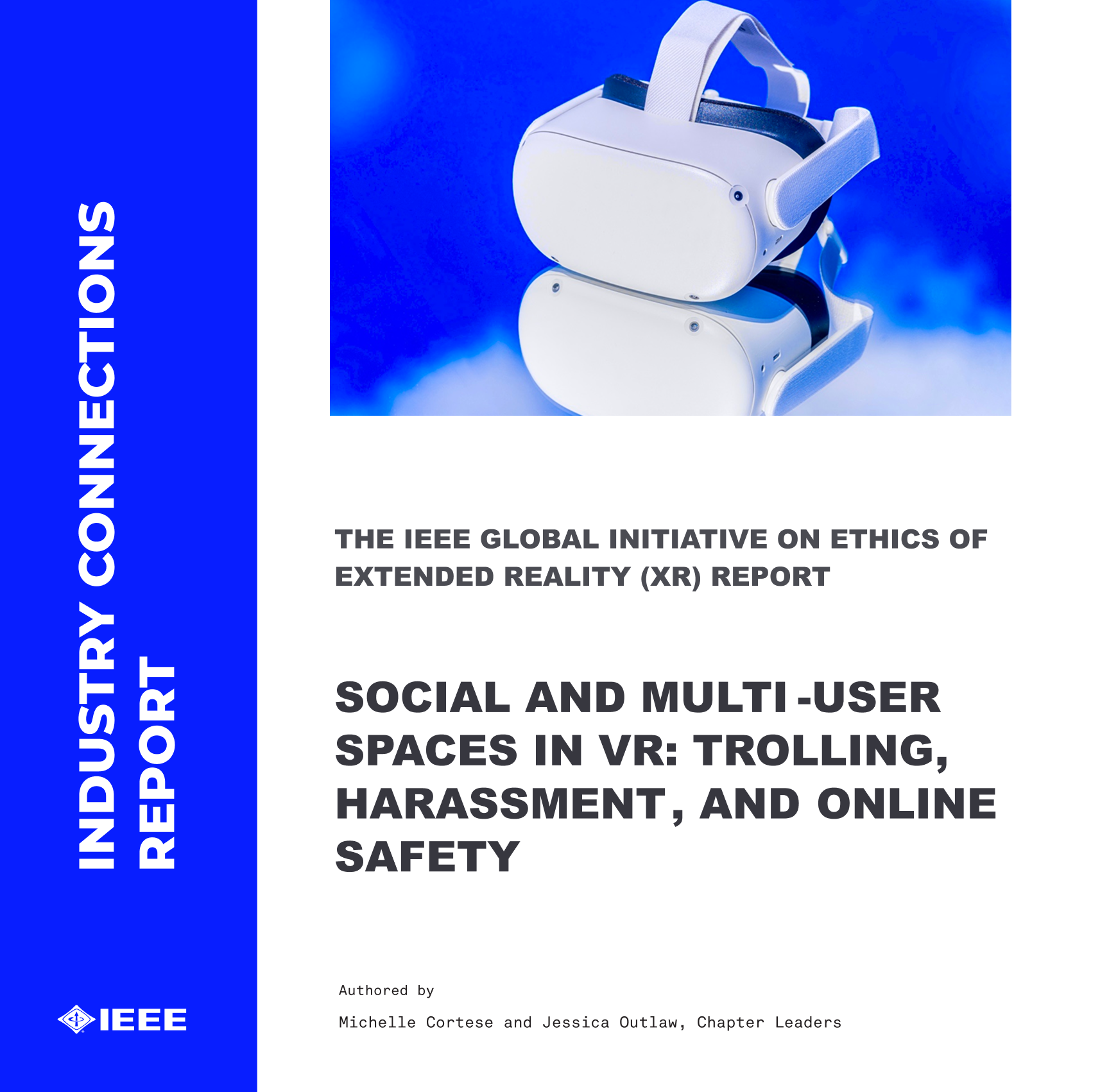
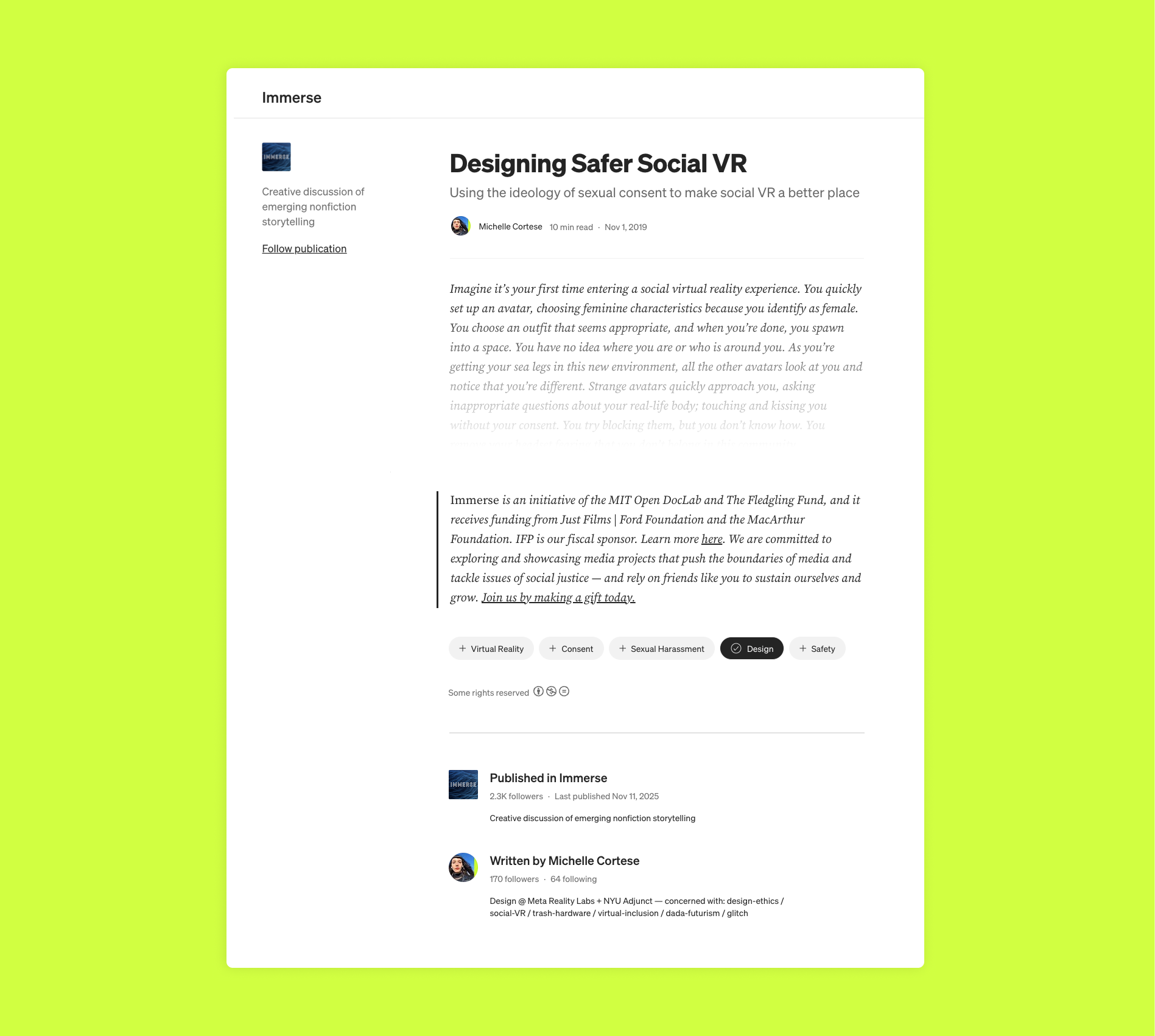
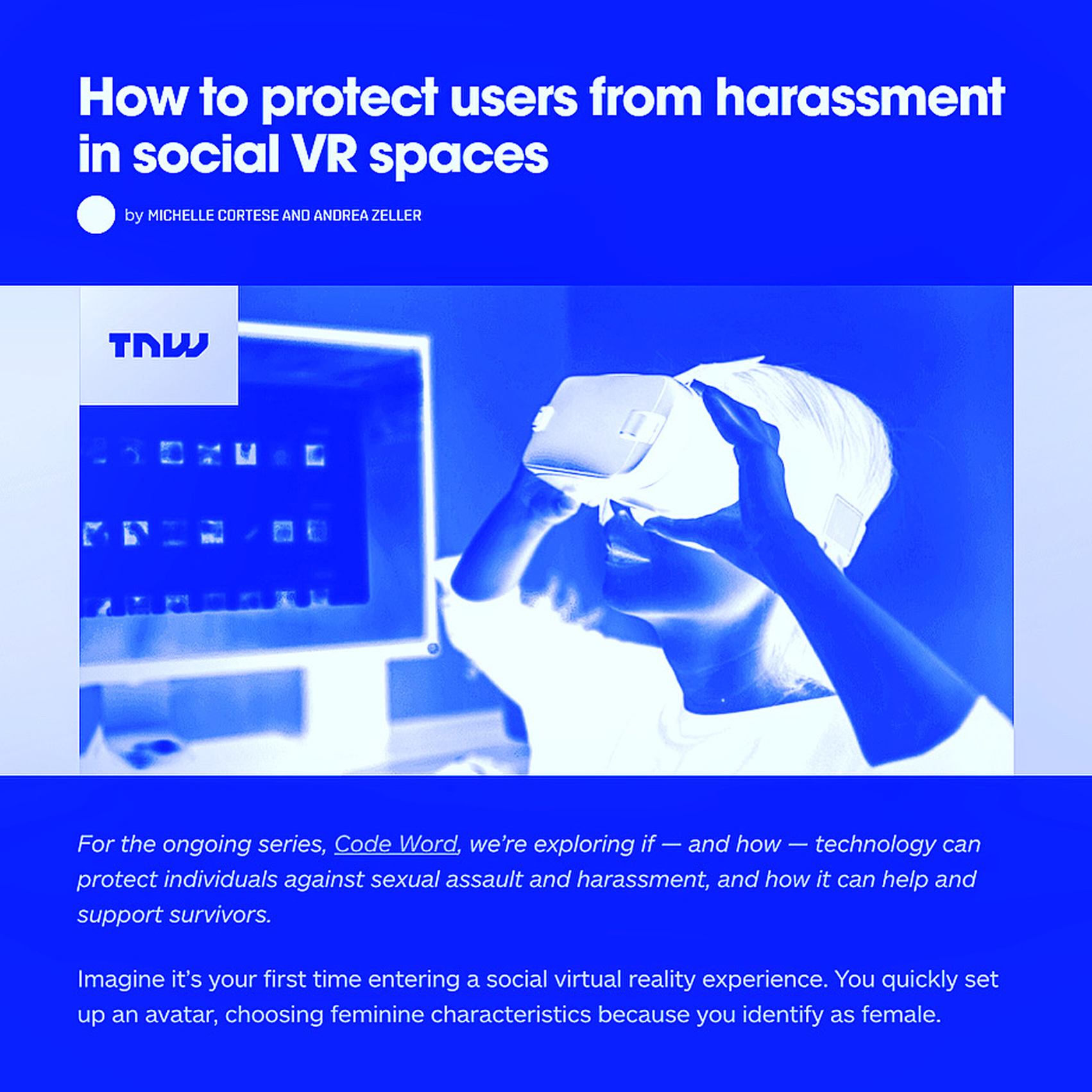
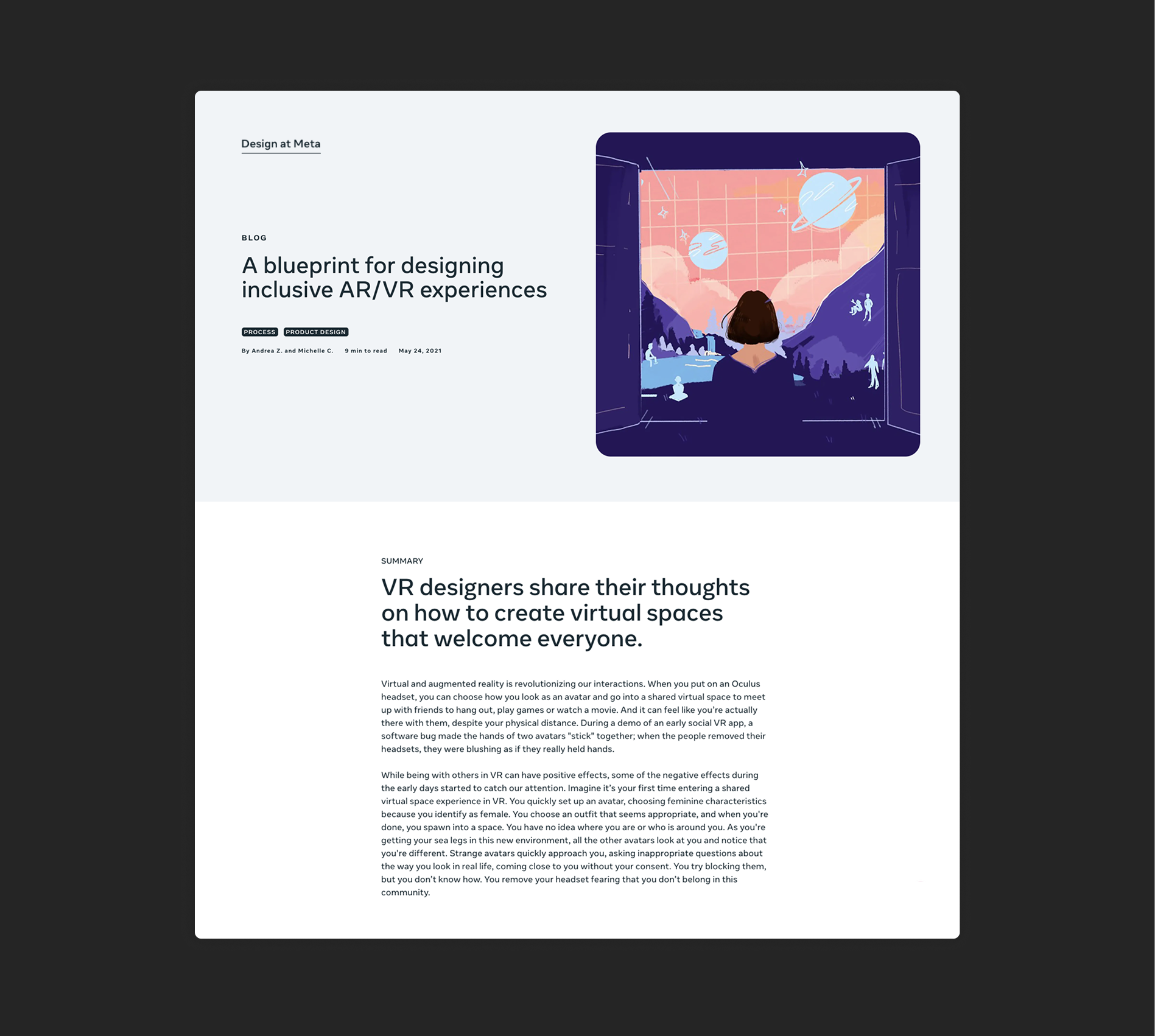
PUBLICATIONS
PUBLICATIONS IN SLIDESHOW:
“Designing Safe Spaces for Virtual Reality,” in Ethics in Design and Communication: Critical Perspectives, Bloomsbury Visual Arts, 2020.
“Methods for Merging Body Sovereignty Theory into VR Design Practice,” Meta Research, 2020.
“Social and Multi-User Spaces in VR: Trolling, Harassment, and Online Safety,” in The IEEE Global Initiative on Ethics of Extended Reality (XR) Report, (pp.1-17), IEEE Standards Association, 15 December 2021.
“Designing Safer Social VR,” MIT Immerse Journal, 2019.
“How to protect users from harassment in social VR spaces,” The Next Web, 2020.
“A Blueprint for Designing Inclusive AR/VR Experiences,” Design at Meta, 2021.
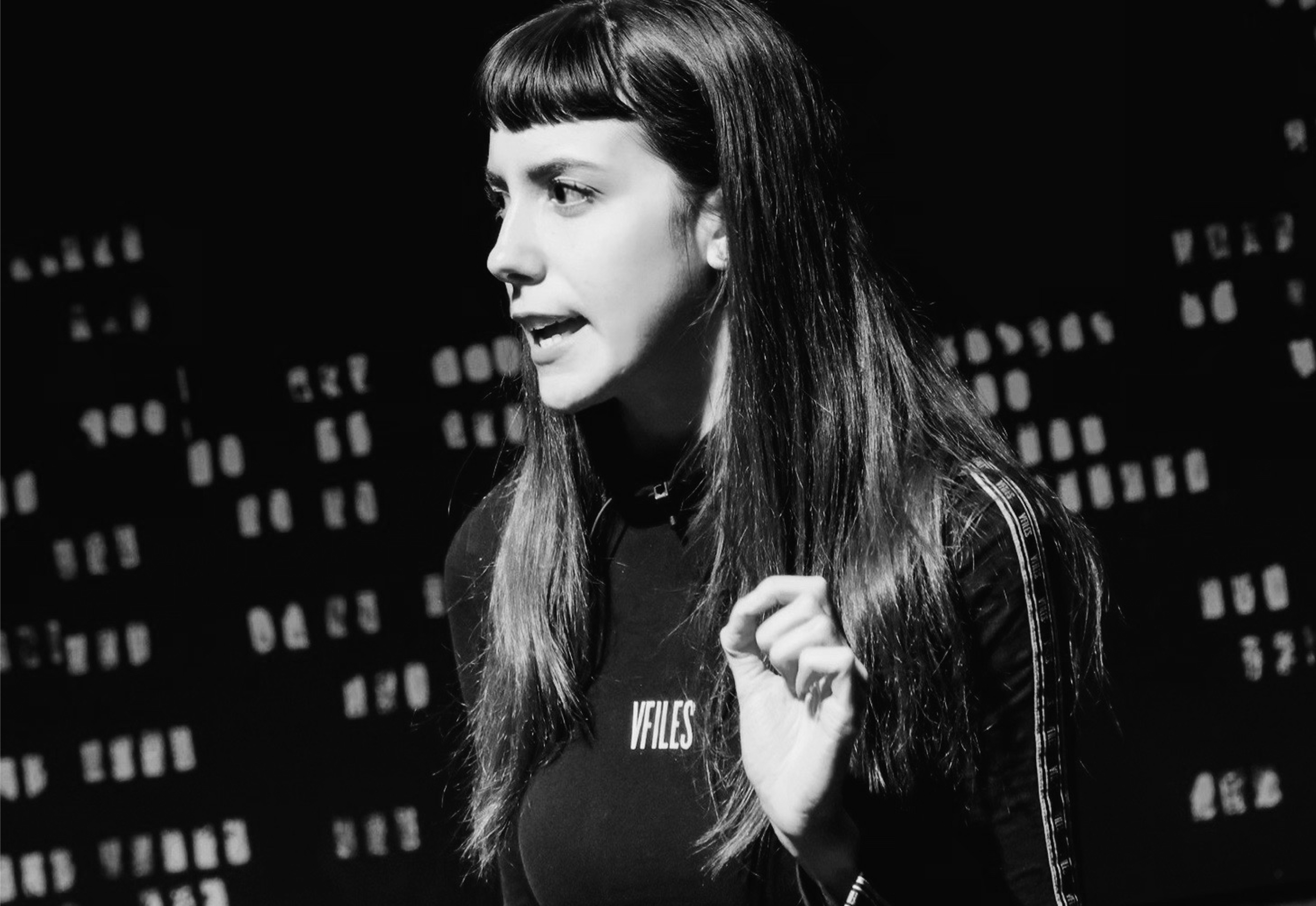
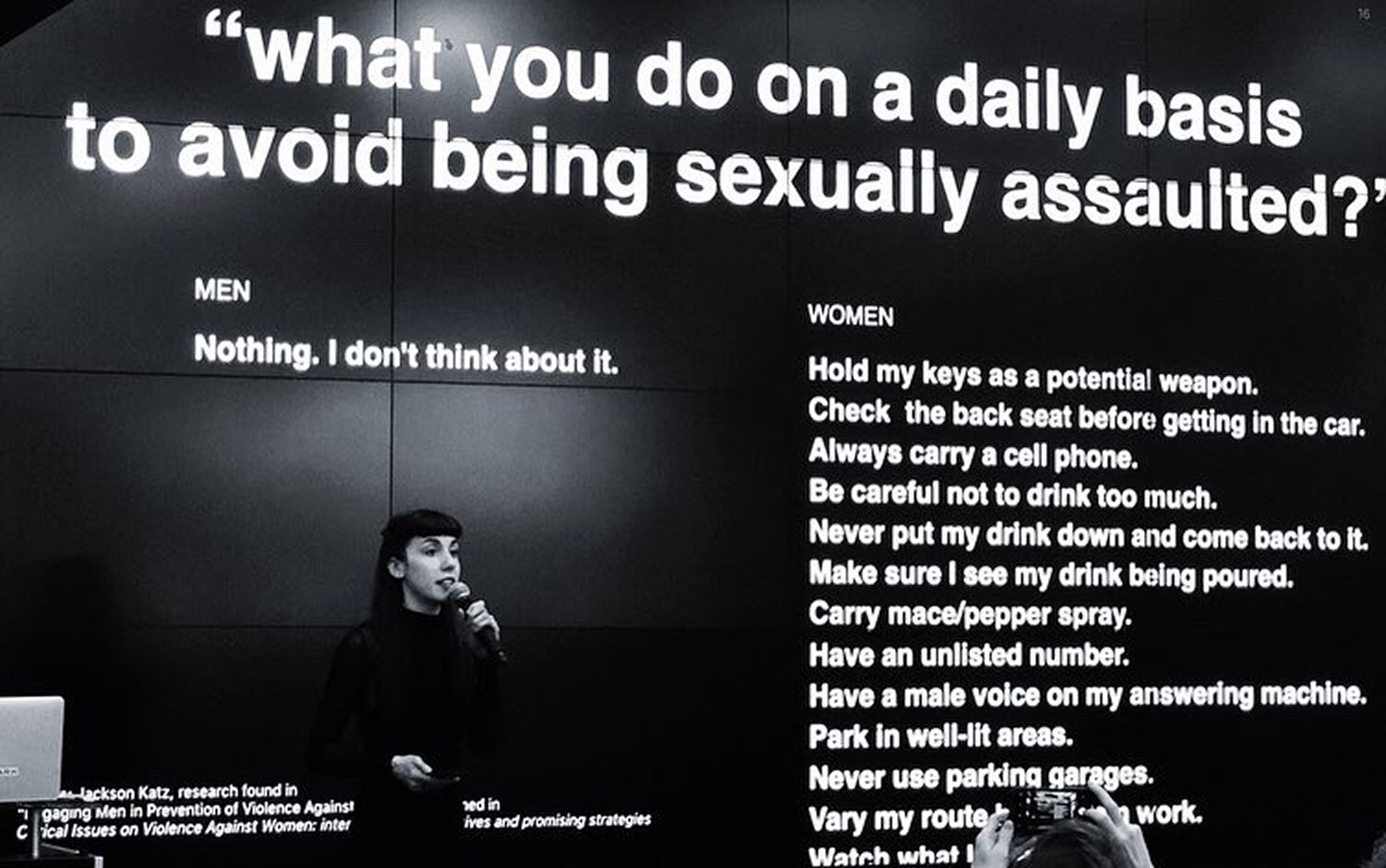
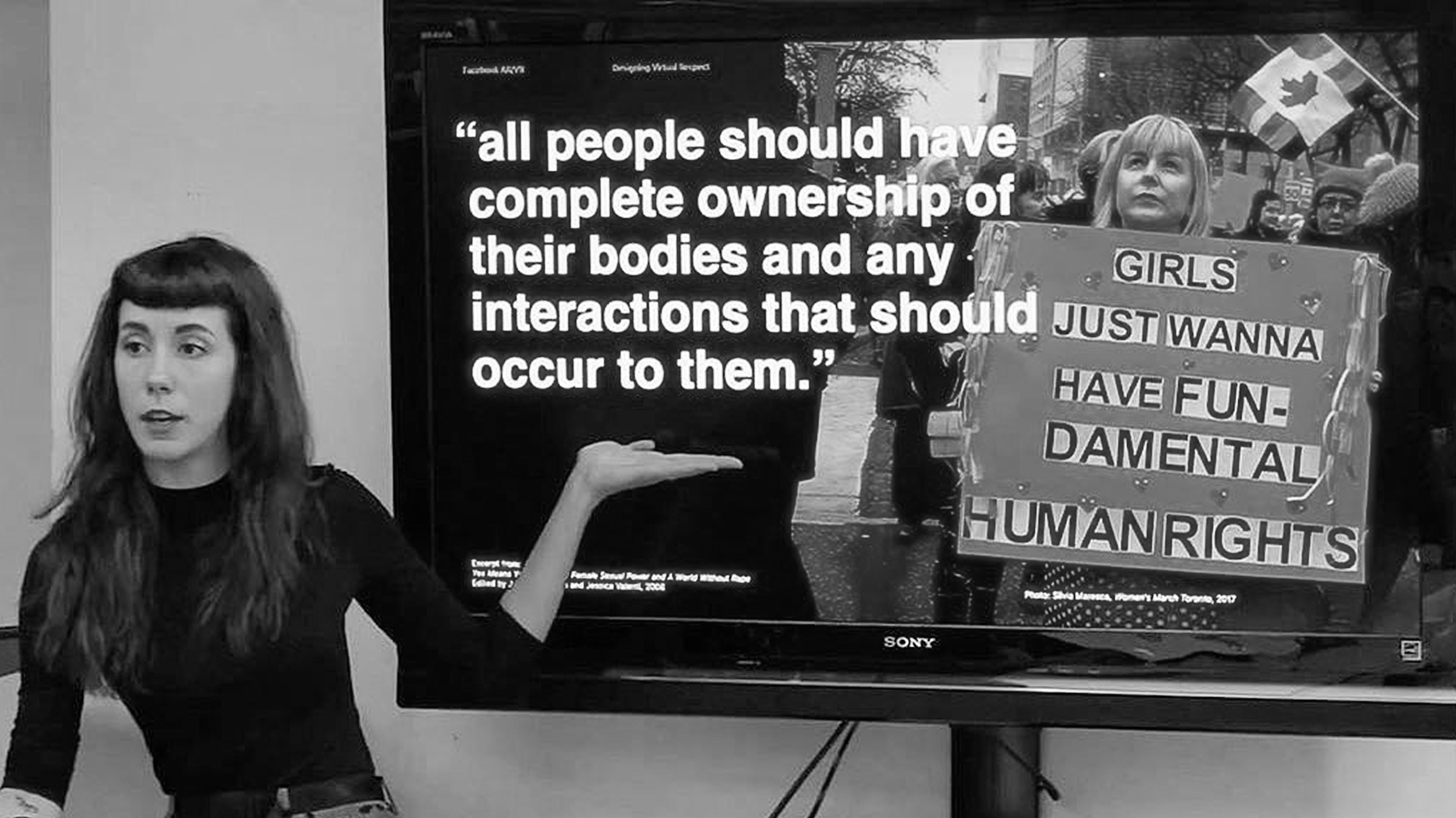
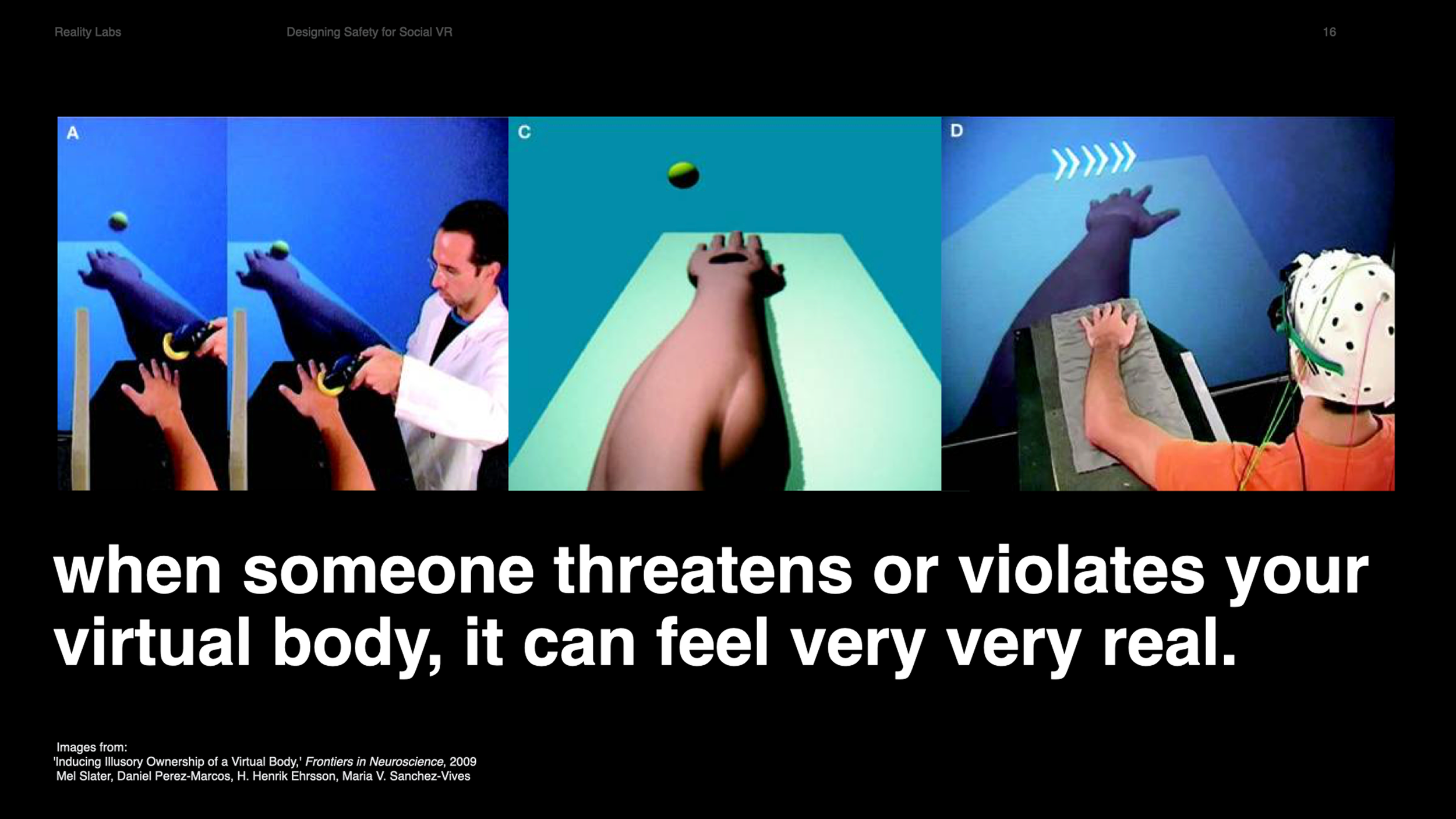
TALKS
TALKS IN SLIDESHOW:


EXHIBITIONS
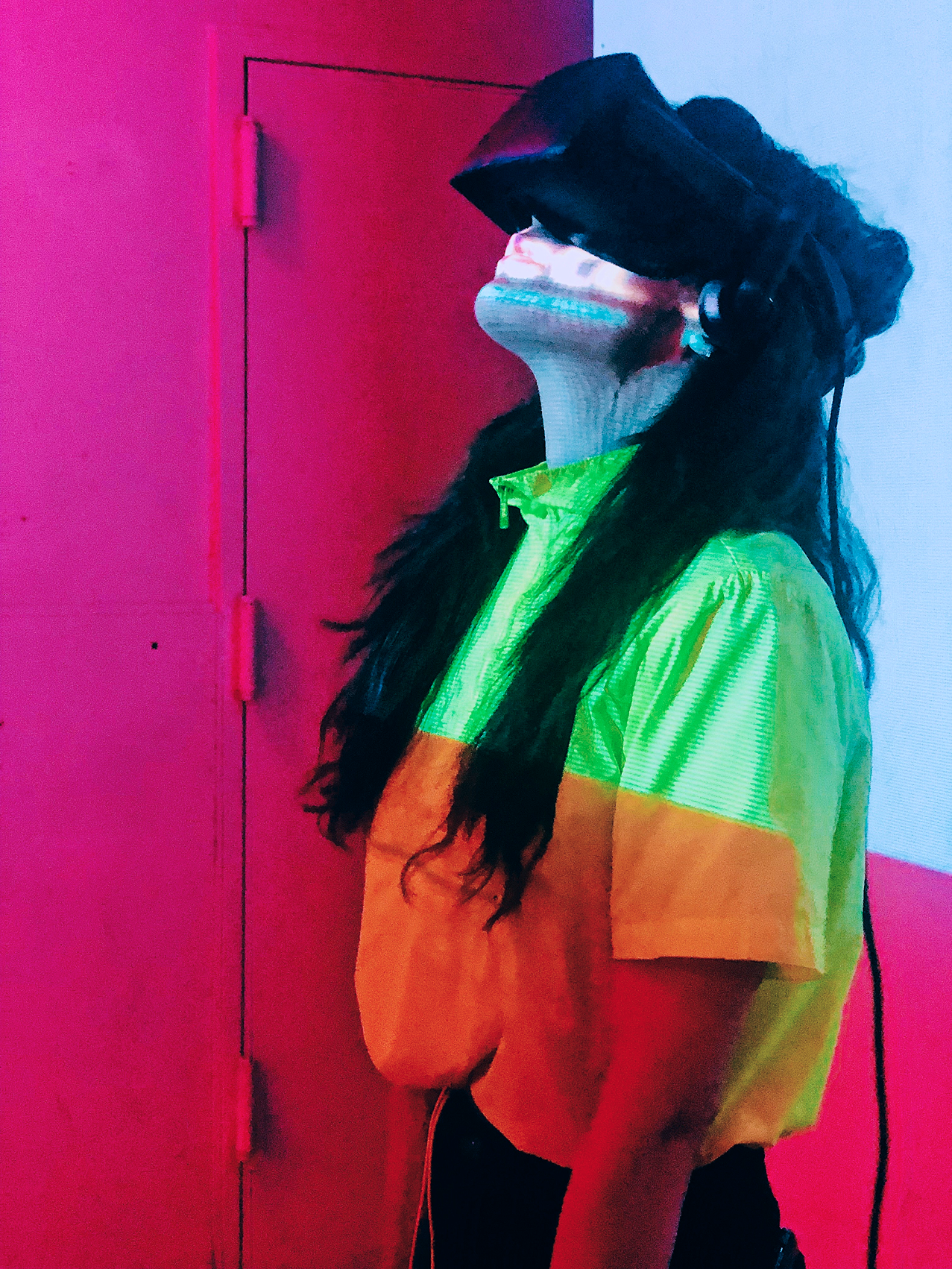
Virtual & Other Pleasures
October 17th–October 19th, 2019
327 Canal Street, New York City
A spectatorial durational virtual reality performance intended to dissect gendered virtual embodiment in an unscripted social VR space. The four hour performance occurred in a semi-enclosed space, with two live-feed projectors and speakers, allowing the audience to see and hear the VR experience from my point-of-view. Wearing an avatar that accurately portrayed my real-life body and clothing, I roamed through various VRChat virtual worlds, approaching groups of male users wearing female avatars and staged impromptu interviews, asking them questions about their gendered avatars. The intent was to shine a light on social VR culture and turn the focus away from the sexualized female avatar and onto the men who wear them. Further vulnerability arose from the real-world: performing VR for a group of strangers, blindfolded by a headset.
INDUSTRY STANDARDS
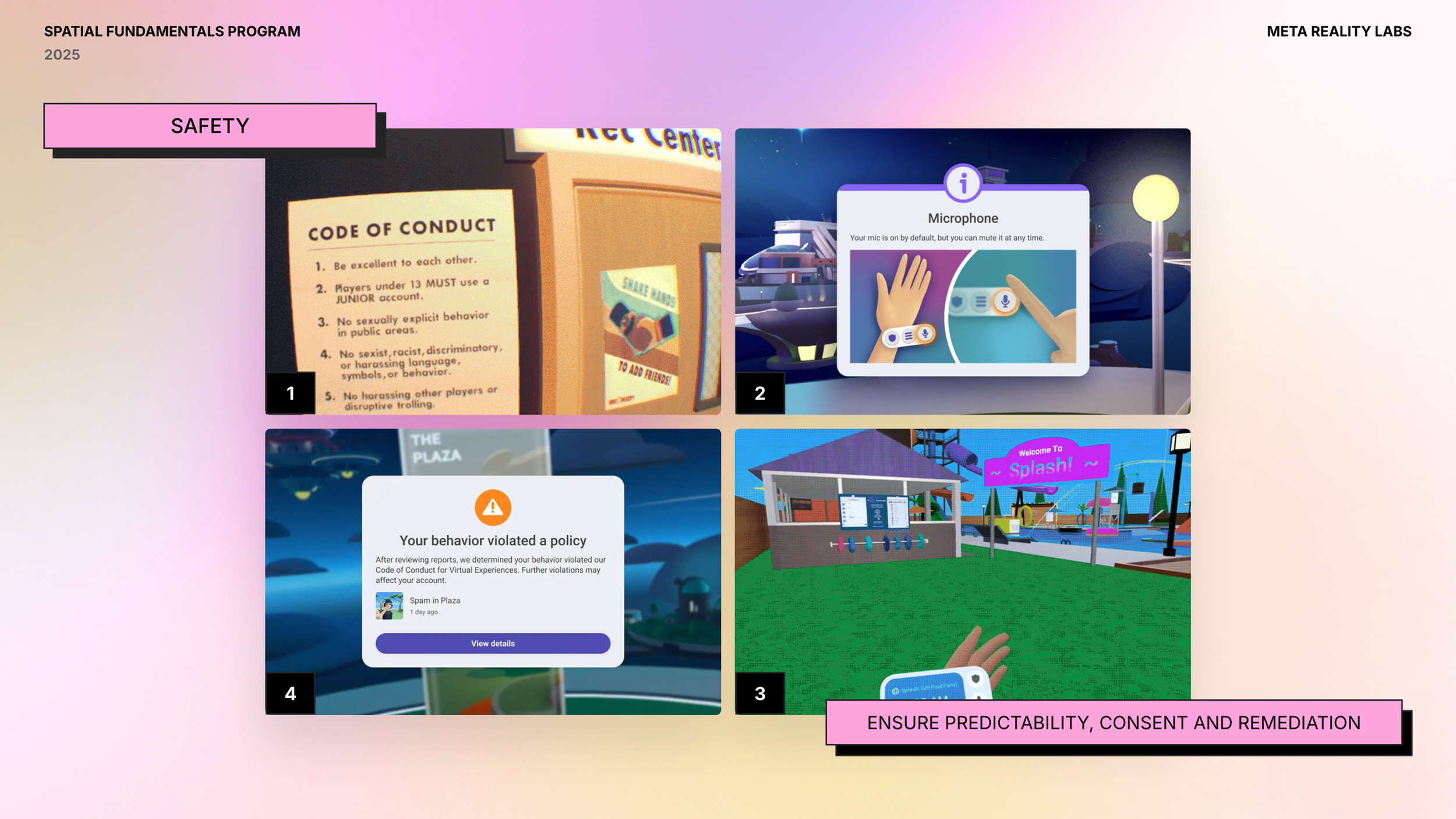
STANDARDS AND FEATURES IN SLIDESHOW:
Personal Boundary
Codes of Conduct
Behavior Policy Remediation
Safe Zone
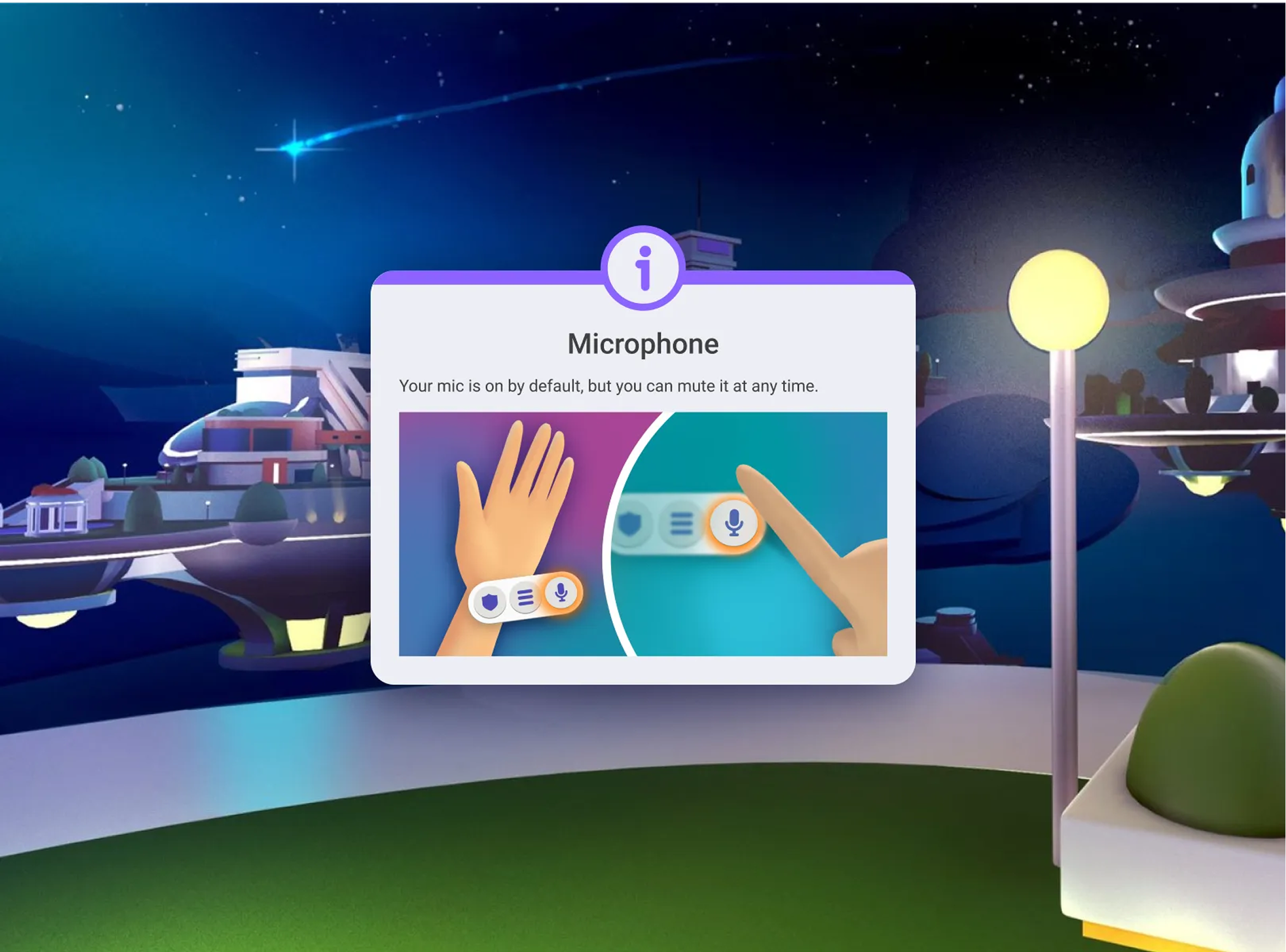
Microphone Controls
EDUCATION PROGRAMS
PROGRAMS FEATURED IN SLIDESHOW:
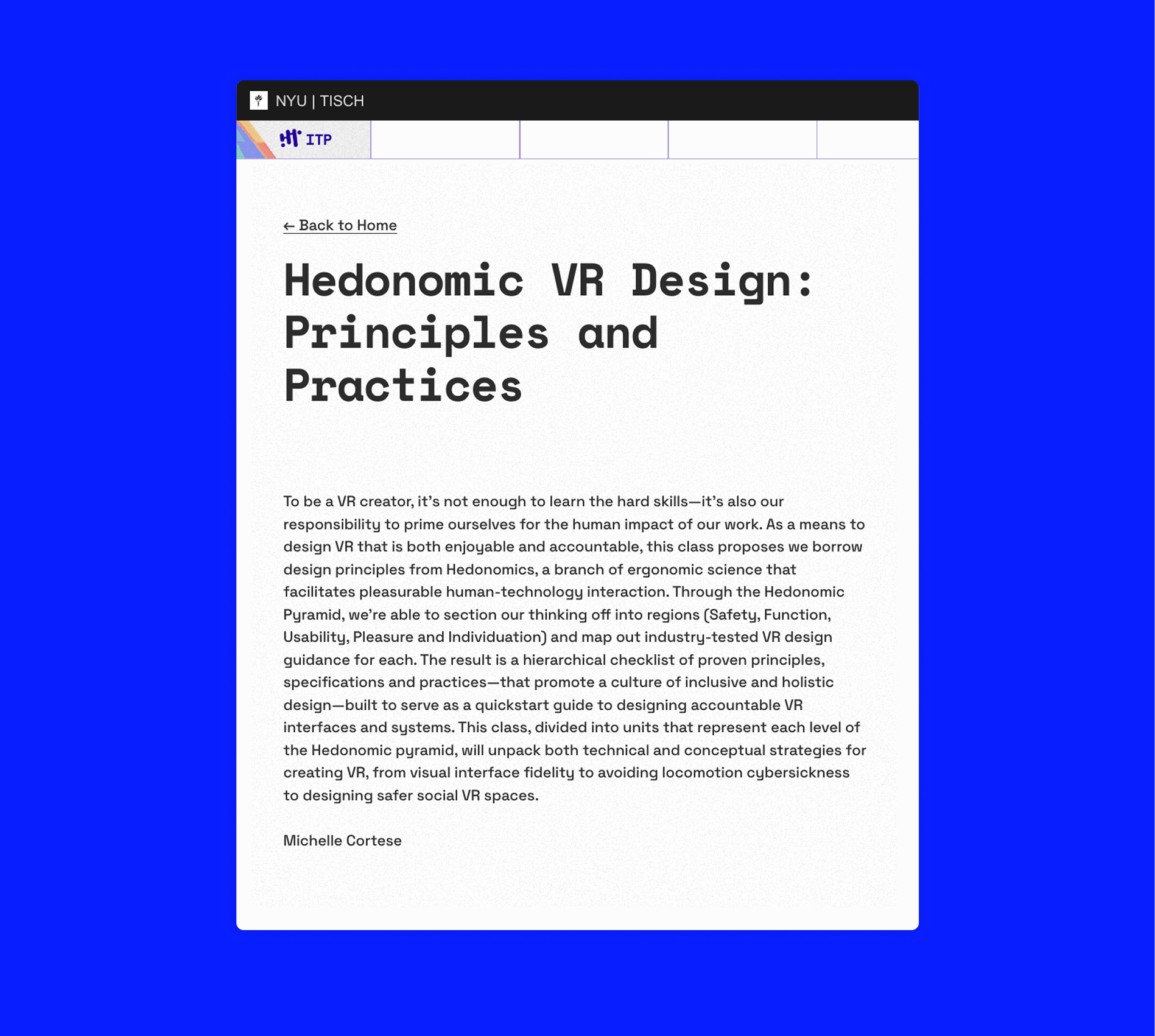
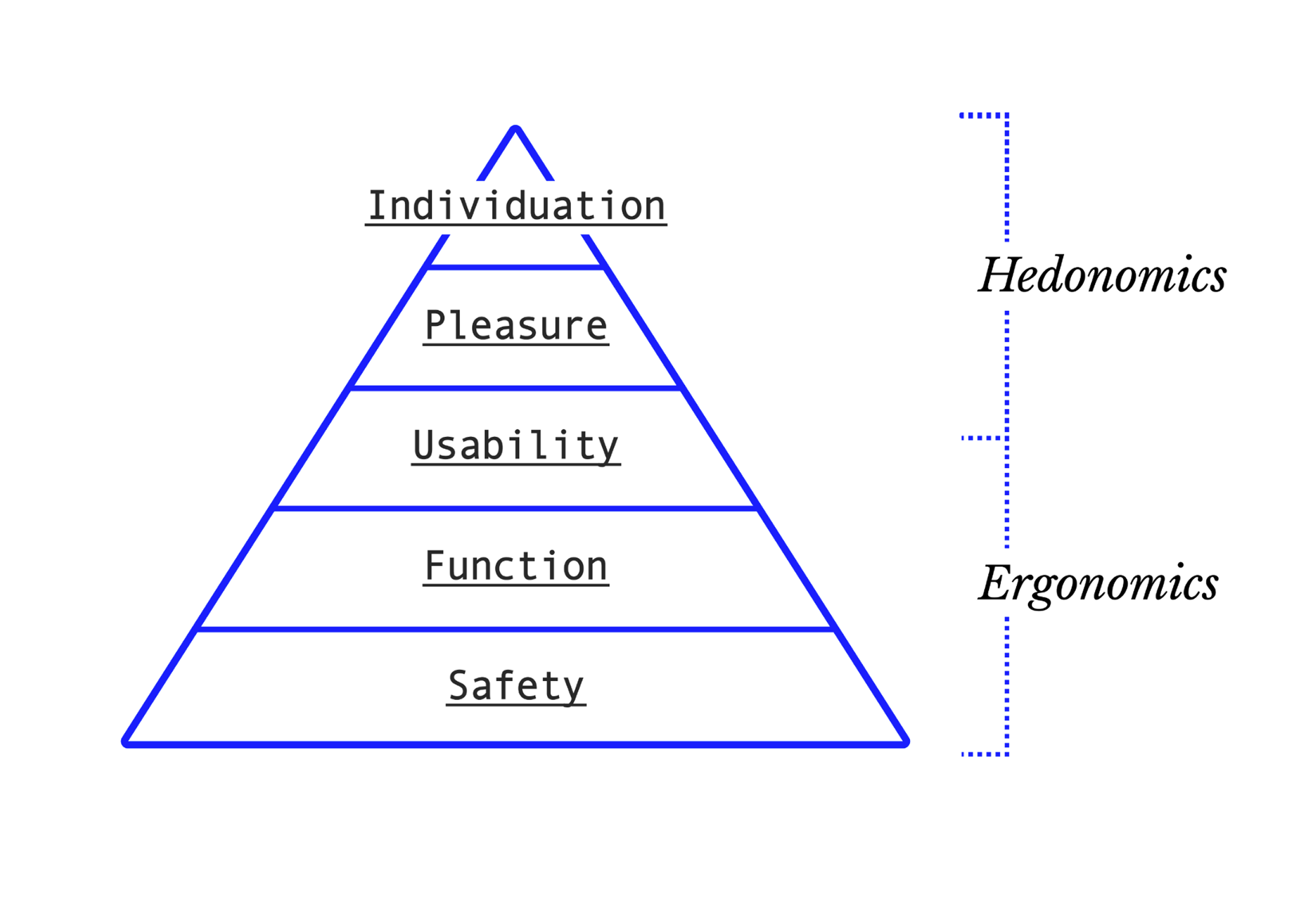
Hedonomic VR Design — Graduate-level class created for NYU Tisch’s Interactive Telecommunications Program that addresses the hard skills and ethical considerations of VR design (2021–Present)
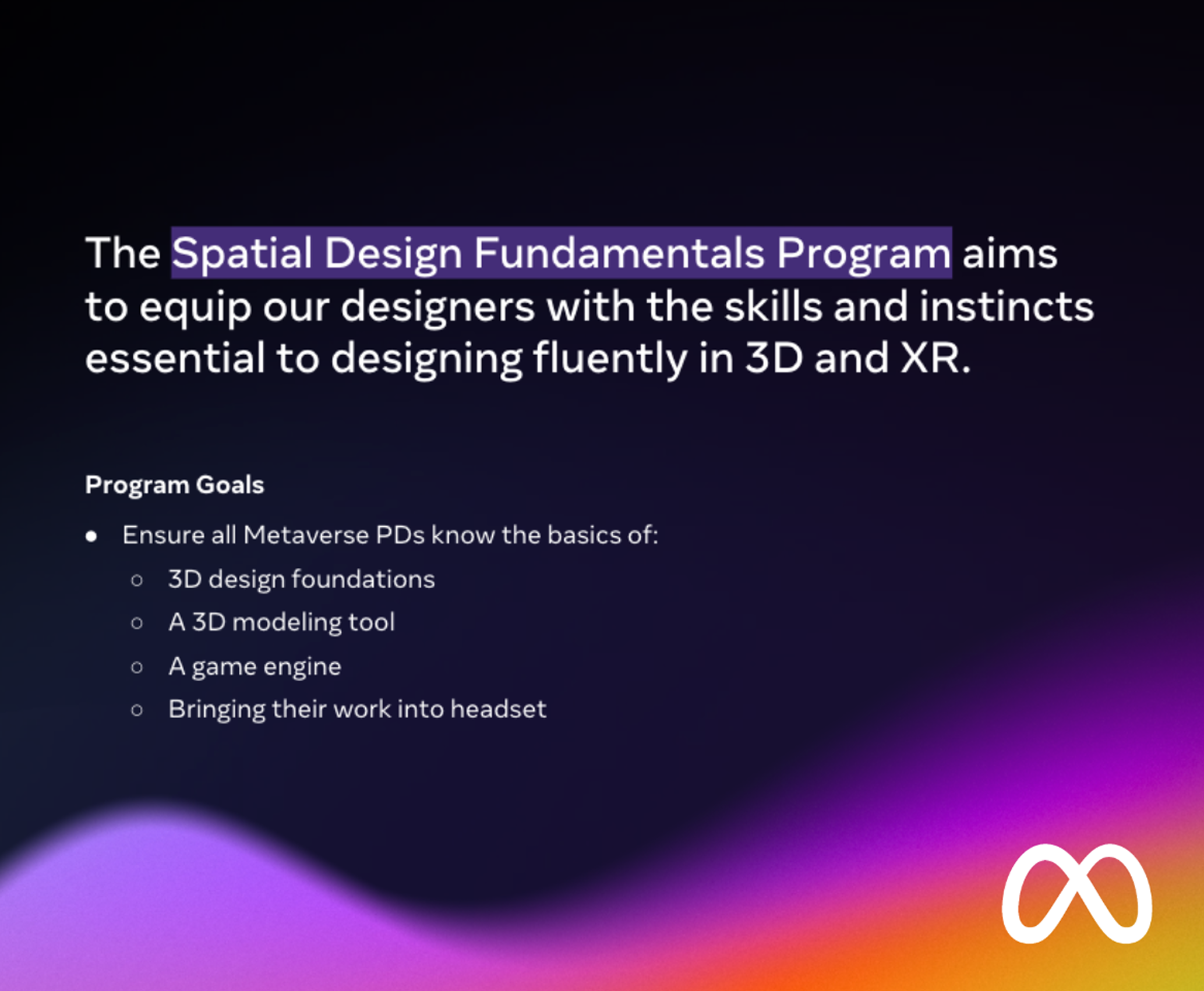
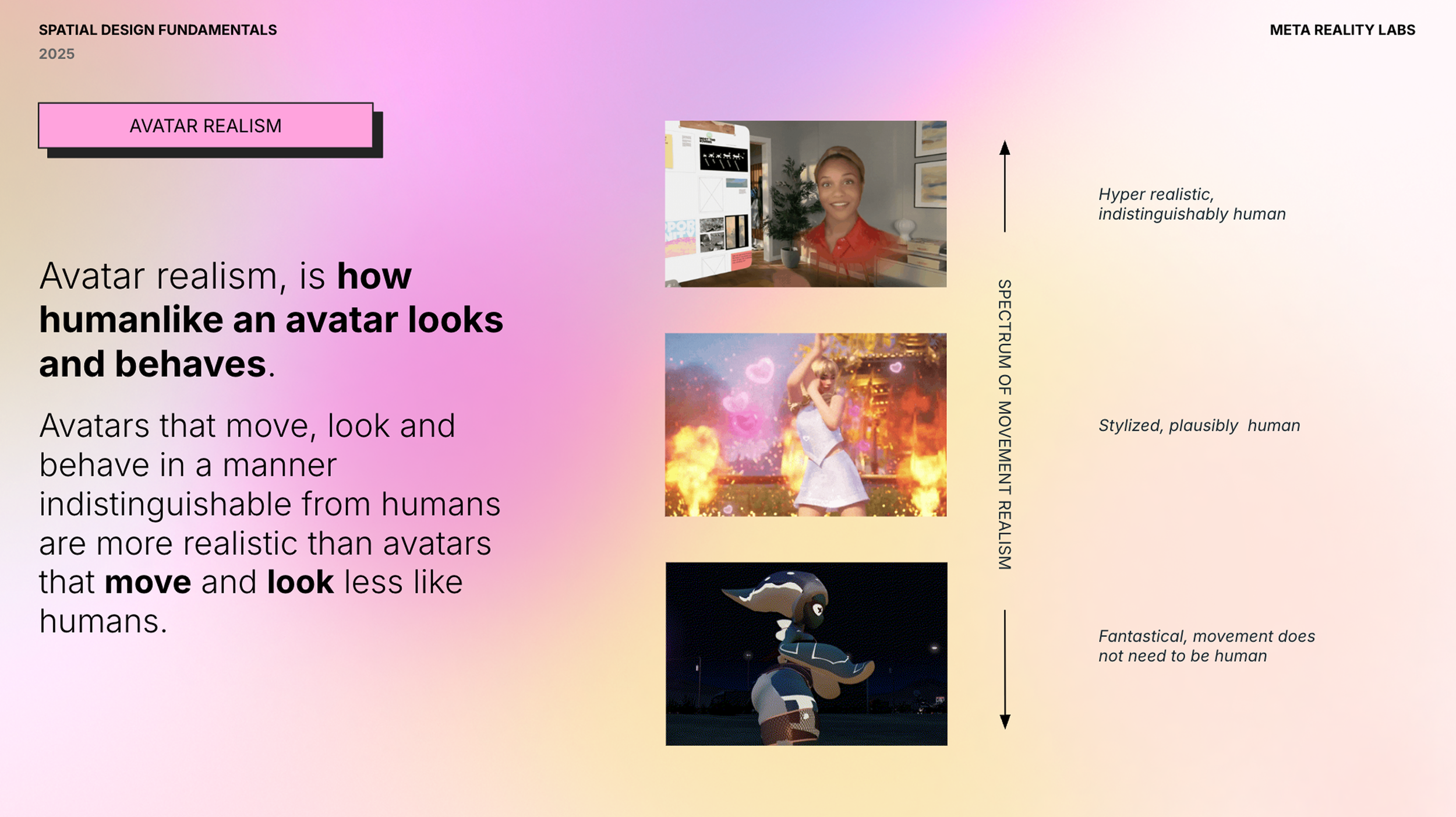
Spatial Design Fundamentals Program — Internal education program created for Meta’s Reality Labs Design Department to quickly upskill and train staff on the essential knowledge of spatial design (2025)